History Archives | Page 61 of 140 | National Humanities Center

History

%customfield(subject)%

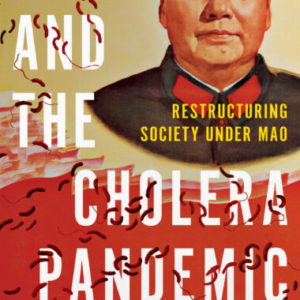
China and the Cholera Pandemic: Restructuring Society under Mao

By Xiaoping Fang (NHC Fellow, 2019–20) Mao Zedong’s Great Leap Forward campaign organized millions of Chinese peasants into communes in a misguided attempt to rapidly collectivize agriculture with disastrous effects. Catastrophic famine lingered as the global cholera pandemic of the early 1960s spread rampantly through the infected waters of southeastern coastal China. Confronted with a … Continued

%customfield(subject)%

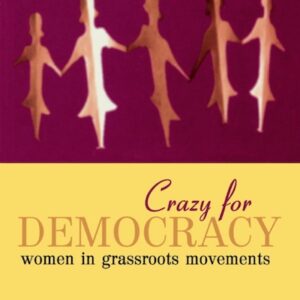
Crazy for Democracy: Women in Grassroots Movements

By Temma Kaplan (NHC Fellow, 1992–93) Crazy for Democracy vividly shows, through the lives of six women in the United States and South Africa, just what can be and is being accomplished to change our lives. At a time when we're depressed about democracy, pessimistic about race relations, and anxious about feminism, Crazy for Democracy vividly shows, through … Continued

%customfield(subject)%

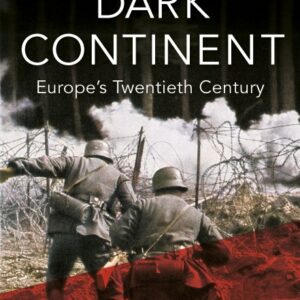
Dark Continent: Europe’s Twentieth Century

By Mark Mazower (NHC Fellow, 1993–94) The end of the First World War saw old empires swept away and the opportunity to build a better society from the ruins. Yet the result was division and bloodshed on an unprecedented scale, as liberal democracy, communism and fascism struggled against one another for mastery of the world. … Continued

%customfield(subject)%

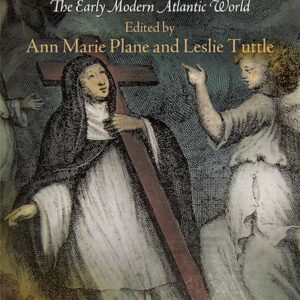
Dreams, Dreamers, and Visions: The Early Modern Atlantic World

Edited by Leslie Tuttle (NHC Fellow, 2010–11) and Ann Marie Plane In Europe and North and South America during the early modern period, people believed that their dreams might be, variously, messages from God, the machinations of demons, visits from the dead, or visions of the future. Interpreting their dreams in much the same ways … Continued

%customfield(subject)%

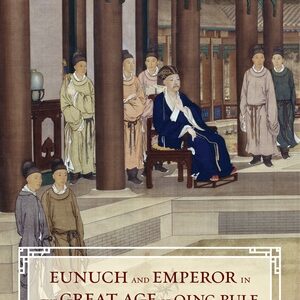
Eunuch and Emperor in the Great Age of Qing Rule

By Norman A. Kutcher (NHC Fellow, 2015–16) Eunuch and Emperor in the Great Age of Qing Rule offers a new interpretation of eunuchs and their connection to imperial rule in the first century and a half of the Qing dynasty (1644–1800). This period encompassed the reigns of three of China’s most important emperors, men who were … Continued

%customfield(subject)%

Feeling Like Saints: Lollard Writings after Wyclif

By Fiona Somerset (NHC Fellow, 2006–07) "Lollard" is the name given to followers of John Wyclif, the English dissident theologian who was dismissed from Oxford University in 1381 for his arguments regarding the eucharist. A forceful and influential critic of the ecclesiastical status quo in the late fourteenth century, Wyclif's thought was condemned at the … Continued