History Archives | Page 62 of 140 | National Humanities Center

History

%customfield(subject)%

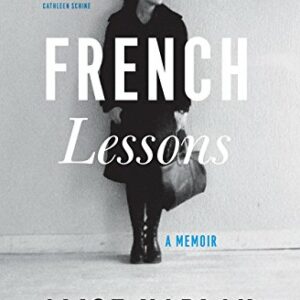
French Lessons: A Memoir

By Alice Kaplan (NHC Fellow, 1989–90) Brilliantly uniting the personal and the critical, French Lessons is a powerful autobiographical experiment. It tells the story of an American woman escaping into the French language and of a scholar and teacher coming to grips with her history of learning. Kaplan begins with a distinctly American quest for an imaginary … Continued

%customfield(subject)%

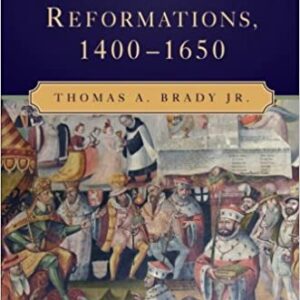
German Histories in the Age of Reformations, 1400-1650

By Thomas A. Brady, Jr. (NHC Fellow, 2001–02) This book studies the connections between the political reform of the Holy Roman Empire and the German lands around 1500 and the sixteenth-century religious reformations, both Protestant and Catholic. It argues that the character of the political changes (dispersed sovereignty, local autonomy) prevented both a general reformation … Continued

%customfield(subject)%

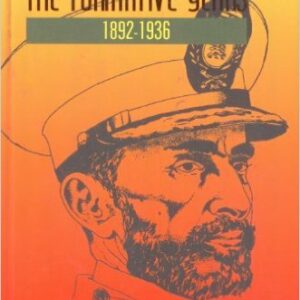
Haile Sellassie I: The Formative Years, 1892-1936

By Harold G. Marcus (NHC Fellow, 1985–86) Always controversial during his lifetime (1892-1975), Haile Selassie became, after his dethronement in 1974, a political icon to some, a monster to others, and to all a legend. There is no understanding modern Ethiopia without a grasp of the Emperor's life. This first volume of a projected three-volume … Continued

%customfield(subject)%

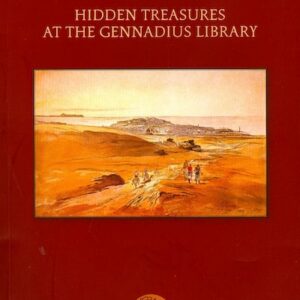
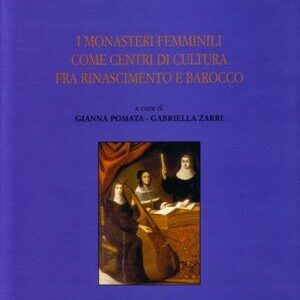
Hidden Treasures at the Gennadius Library

Edited by Maria Georgopoulou (NHC Fellow, 2010–11) and Irini Solomonidi The New Griffon volume 12 seeks to highlight several discoveries in a variety of areas and time periods: Father Konstantinos Terzopoulos explores 16 manuscripts of Byzantine chant; Leonora Navari presents the published works of Cardinal Bessarion, one of the heroes of Joannes Gennadius because of his … Continued

%customfield(subject)%

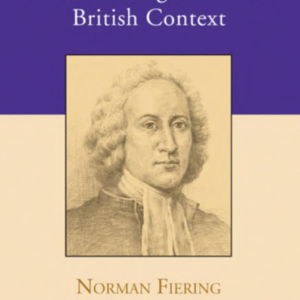
Jonathan Edwards’s Moral Thought and Its British Context

By Norman Fiering (NHC Fellow, 1978–79) The problems of moral philosophy were a central preoccupation of literate people in eighteenth-century America and Britain. It is not surprising, then, that Jonathan Edwards was drawn into a colloquy with some of the major ethicists of the age. Moral philosophy in this era was so all-encompassing in its … Continued

%customfield(subject)%

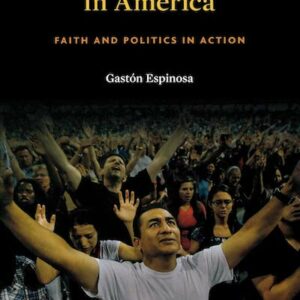
Latino Pentecostals in America: Faith and Politics in Action

By Gastón Espinosa (NHC Fellow, 2011–12) Every year an estimated 600,000 U.S. Latinos convert from Catholicism to Protestantism. Today, 12.5 million Latinos self-identify as Protestant—a population larger than all U.S. Jews and Muslims combined. Spearheading this spiritual transformation is the Pentecostal movement and Assemblies of God, which is the destination for one out of four … Continued