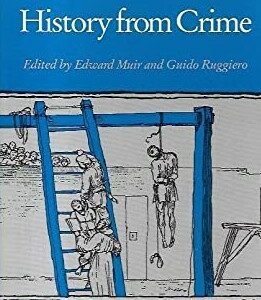
History from Crime
Edited by Edward Muir (NHC Fellow, 1992–93) and Guido Ruggiero This work demonstrates how a sophisticated analysis of documents once thought beneath scholarly notice–criminal records–can offer stunning new insights into the past.
Edited by Edward Muir (NHC Fellow, 1992–93) and Guido Ruggiero This work demonstrates how a sophisticated analysis of documents once thought beneath scholarly notice–criminal records–can offer stunning new insights into the past.
By Kenneth Mills (NHC Fellow, 1995–96) The ecclesiastical investigations into Indian religious error — the Extirpation of idolatry — that occurred in the seventeenth-and eighteenth-century Archdiocese of Lima come to life here as the most revealing sources on colonial Andean religion and culture. Focusing on a largely neglected period, 1640 to 1750, and moving beyond portrayals that often view … Continued
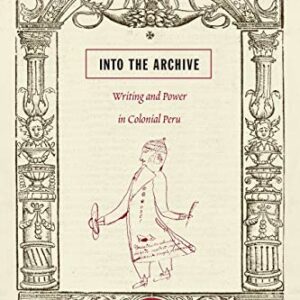
By Kathryn Burns (NHC Fellow, 2002–03) Writing has long been linked to power. For early modern people on both sides of the Atlantic, writing was also the province of notaries, men trained to cast other people’s words in official forms and make them legally true. Thus the first thing Columbus did on American shores in … Continued

By Nicholas Canny (NHC Fellow, 1986–87)
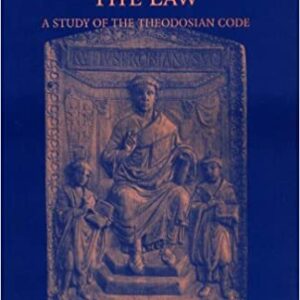
By John F. Matthews (NHC Fellow, 1995–96) The Theodosian Code—a collection of Roman imperial legislation of the period from Constantine the Great to Theodosius II—is a fundamental source for understanding the legal, social, economic, cultural, and religious history of the later Roman Empire. More than 2,700 of the 3,500 original texts of the Code survive, … Continued
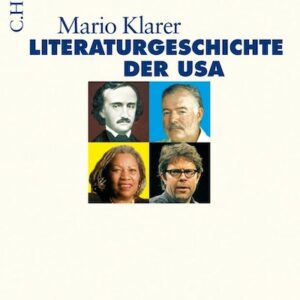
By Mario Klarer (NHC Fellow, 1995–96; 2000–01) US literary history describes literary creation in the North American areas of what is now the United States, from its beginnings in the Age of Discovery to the present day. In this overview, Mario Klarer shows how an initially imported colonial perspective developed into an increasingly independent literary … Continued
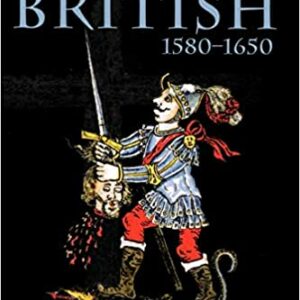
By Nicholas Canny (NHC Fellow, 1986–87) This book is the first comprehensive study of all the plantations that were attempted in Ireland during the years 1580-1650. It examines the arguments advanced by successive political figures for a plantation policy, and the responses which this policy elicited from different segments of the population in Ireland. The … Continued
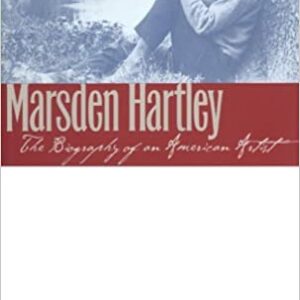
By Townsend Ludington (NHC Fellow, 1985–86) The first complete biography of an underrated American modernist painter tells of his lifestyle, his extensive travels, and his relationships with other artists such as Alfred Stieglitz, William Carlos Williams, and Gertrude Stein.
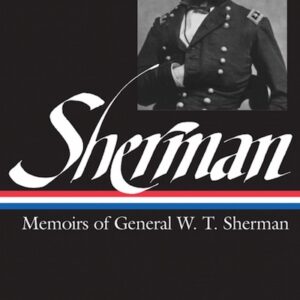
Edited by Charles Royster (NHC Fellow, 1984–85) Hailed as a prophet of modern war and condemned as a harbinger of modern barbarism, William Tecumseh Sherman is the most controversial general of the American Civil War. Written with the propulsive energy and intelligence that marked his campaigns, Memoirs of General W. T. Sherman describes striking incidents and anecdotes … Continued
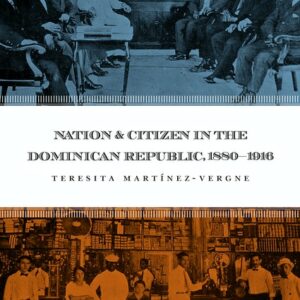
By Teresita Martínez-Vergne (NHC Fellow, 2002–03) Combining intellectual and social history, Teresita Martínez-Vergne explores the processes by which people in the Dominican Republic began to hammer out a common sense of purpose and a modern national identity at the end of the nineteenth and beginning of the twentieth centuries. Hoping to build a nation of … Continued