
Advancing research and discovery about the human experience
The National Humanities Center is a private, nonprofit organization, and the only independent institute dedicated exclusively to advanced study in all areas of the humanities.

Our Mission
The Center advances research and discovery about the human experience, fosters connections among scholars and educators, and empowers all those who share a passion for knowledge to better themselves and the world.
What we do
Supporting Scholars
For nearly half a century, the Center has supported the work of scholars producing new knowledge that can open fresh paths of inquiry, reshape fields, and change the world.
Over 1,600 NHC Fellows have produced nearly 1,800 books and other scholarly works, advancing knowledge in dozens of academic fields.
Empowering Educators
The Center’s instructional resources and professional development experiences help educators at the collegiate and pre-collegiate levels enhance their teaching skills and content knowledge.
Last year, the Center’s extensive collection of high-quality teaching resources were accessed by over a million users, and educators from across the country earned over 80,000 hours of continuing education credit by participating in NHC webinars.
Engaging and Informing the Public
Through a variety of public engagement initiatives and activities, the Center promotes understanding of the humanities and advocates for their foundational role in a democratic society.
Through initiatives like the Being Human Festival (US), the Center encourages and supports the public-facing efforts of humanists and humanities organizations across the US.

Research Spotlight
Points of View
NHC Fellows’ projects explore how different perspectives help shape, reshape, and recover understandings of our world.
Featured Projects
Alexis Pauline Gumbs
Love is Lifeforce: June Jordan and Fannie Lou Hamer Solve the Energy Crisis
Peter R. Kalb
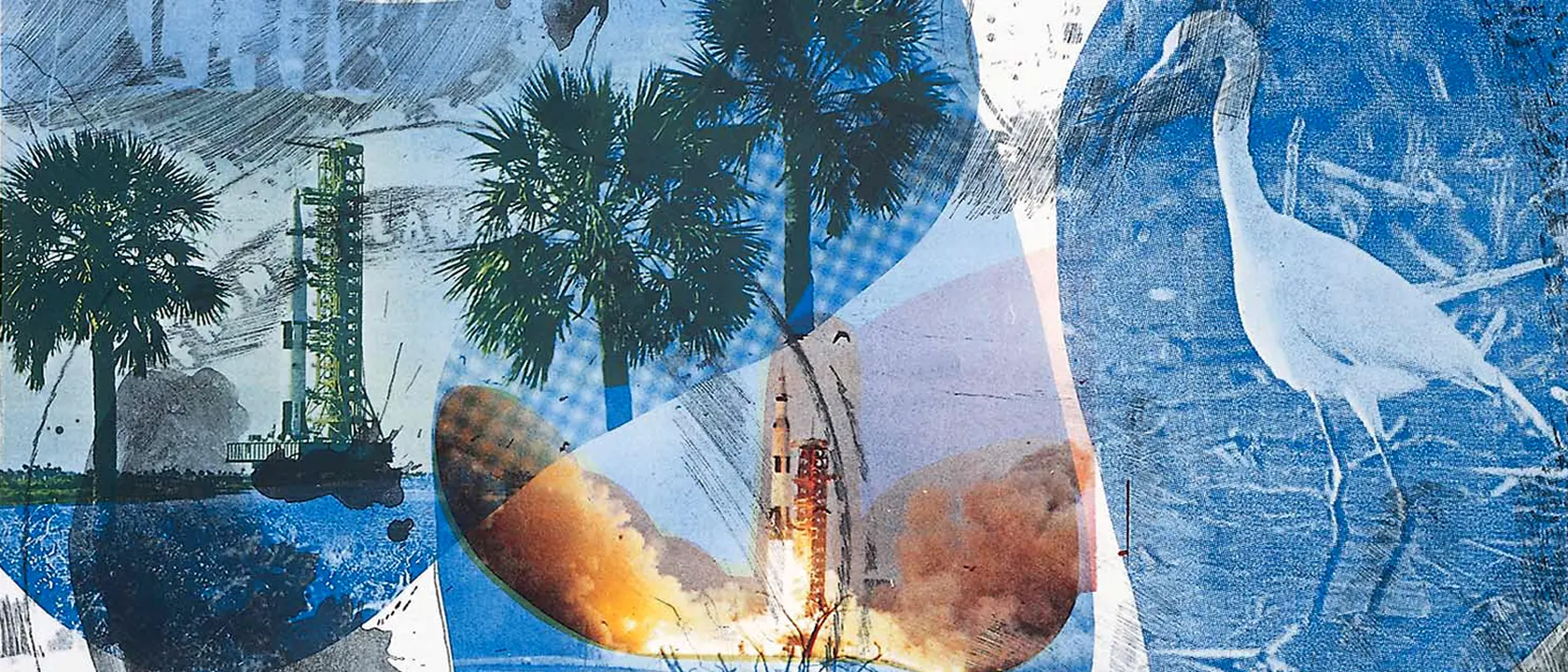
Apollo’s Gift: An Art History of the Moon Landing
Despina Stratigakos
Ghost Gardens
What’s On
Upcoming