
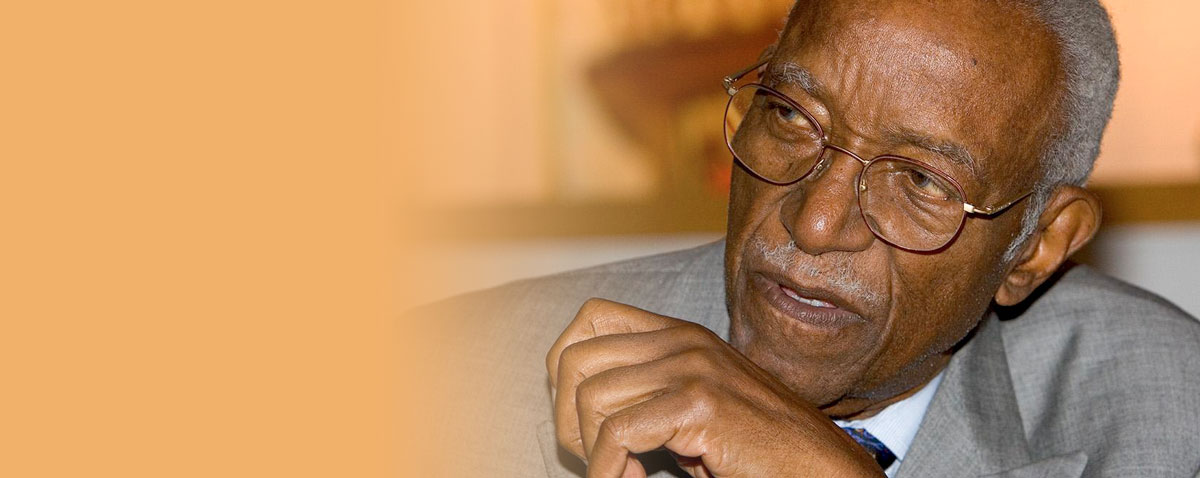
“My challenge was to weave into the fabric of American history enough of the presence of Blacks so that the story of the United States could be told adequately and fairly.”
John Hope Franklin
Trustee; NHC Fellow, 1980–81; 1981–82
Telling Untold Stories and Revealing Unvarnished Truths
African American Studies and the National Humanities Center
Telling the untold stories of Black Americans and thereby providing a fuller, fairer account of American history and culture has been the focus of over 100 National Humanities Center Fellows, which have included many of the leading figures in African American scholarship over the past five decades.
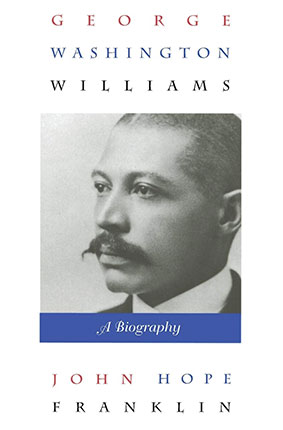
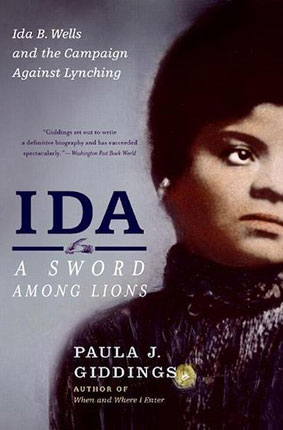
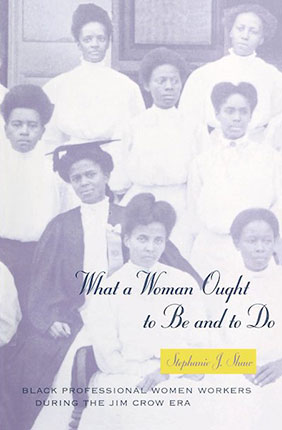
Their scholarly achievements include significant additions to our knowledge about iconic Black thought leaders, artists, and activists like William Wells Brown, Margaret Walker, Ida B. Wells, and George Washington Williams and uncovered the no-less-vital contributions of working people striving to find a place as nurses, teachers, lawyers, and day laborers.
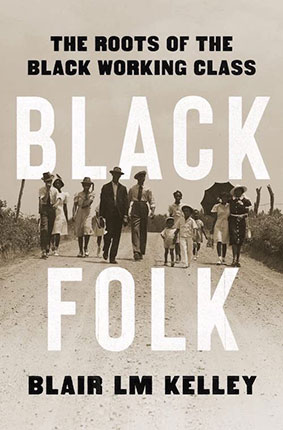
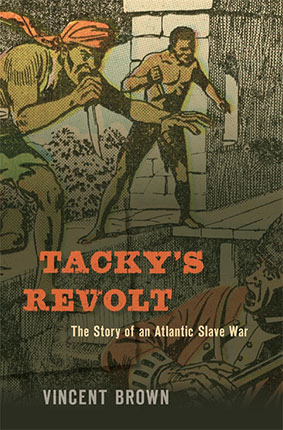
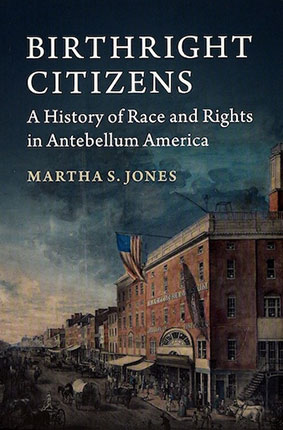
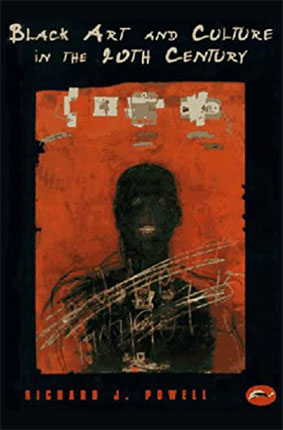
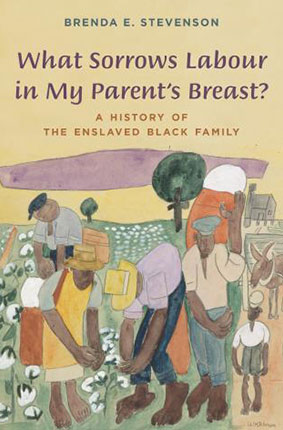
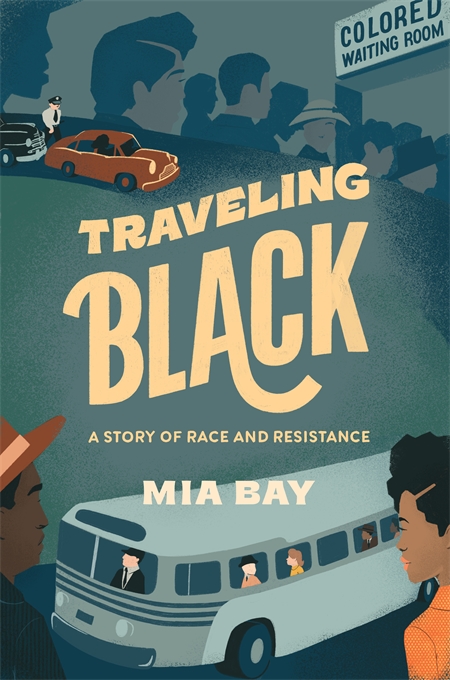
Books by Fellows
Adding to the Story
In more than 120 volumes of remarkable scholarship NHC Fellows have helped us better understand the lives of enslaved and formerly enslaved people and to see how generations of African Americans have shaped the music, literature, and cultural life of America.
Supporting Scholarship on Historically Black Campuses
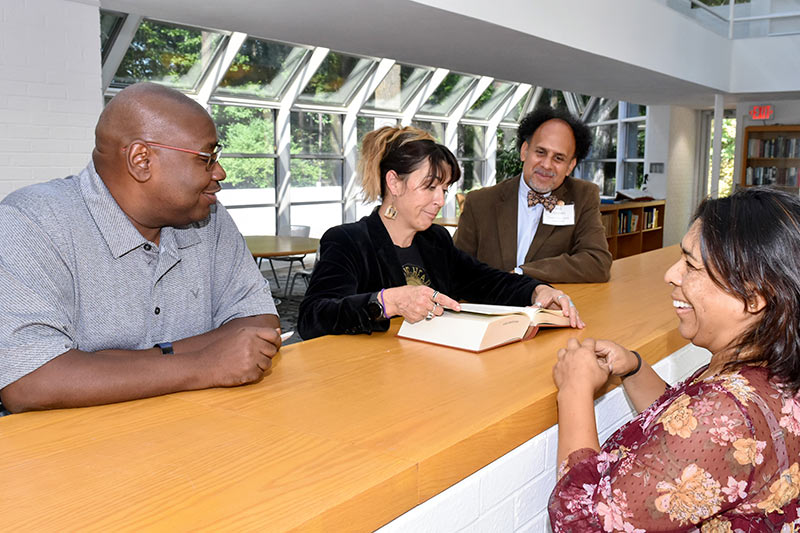
The NHC has been proud to support the important work of these Fellows, and, in recent years, has worked to create new opportunities for humanities scholars from Historically Black Colleges and Universities (HBCUs) whose research is helping chart new directions in our understanding of topics that range from runaway slaves in England to contemporary healthcare ethics to Black women in speculative fiction.
Creating Classroom Resources
The Center has also been dedicated to ensuring that this groundbreaking scholarship is widely available for use in America’s classrooms. With input from its scholarly community, the NHC has created and maintains extensive collections of materials to support the teaching of African American studies to collegiate and pre-collegiate students. These resources are among the most heavily used tools the Center offers to teachers, receiving over 150,000 visits last year alone.
The Making of African American Identity
How Do We Know What We Know? The Unexpected Impact of National Humanities Center Scholarship
The impact of scholarly work at the NHC extends well beyond scholarly monographs and classrooms as evidenced in media outlets such as CNN, the BBC, and Daily Beast. Each of these outlets has produced stories in recent years about changing attitudes toward plantations as Americans have slowly come to terms with the painful legacy they represent. In each of these stories, writers point to the resources assembled by NHC scholars to quantify the scope of suffering experienced by the 4 million people enslaved in the US at the start of the American Civil War.
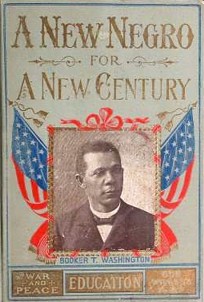
Similarly, the same NHC resource appears as a top result of a Google query about “the number of slave plantations in the US.” Calculated from US Census Bureau records by John Michael Vlach, a professor of American studies and anthropology, these numbers first appeared in his book, Back of the Big House: The Architecture of Plantation Slavery (1993). Vlach later served as co-leader of the Center’s 2006 Summer Institute for High School Teachers on The Making of African American Identity.
Thanks to Vlach’s rigorous scholarship and that of other NHC scholars (and the Center’s innovative education programs), teachers and students—as well as journalists and other information seekers—can more fully grasp the enormity of slavery. Further, they have access to a more complete version of the American story and deeper appreciation to the unvarnished truths it reveals.

Teaching African American Studies
In 2022 the Center launched a series of annual summer institutes focused on teaching African American studies in partnership with the Ruth J. Simmons Center for Race and Justice at Prairie View A&M University, and a winter institute presented in partnership with North Carolina Central University. These in-depth professional development experiences are preparing teachers across the country to incorporate recent events such as the Black Lives Matter movement into their teaching. They are also helping frame the African American experience against the background of the global African diaspora, from the distinct perspectives of Black women, and through the lens of music and other forms of cultural production.
Through efforts like these, the NHC seeks to help scholars and teachers share stories that have gone untold, been lost, or overlooked. And, as we amplify their voices, we help Americans more fully appreciate the story of us all.