History Archives | Page 132 of 140 | National Humanities Center

History

%customfield(subject)%

The Pledge of Barbados

Standing on Chamberlain Bridge and looking at Independence Arch, I began reading the Barbadian Pledge. Instantly my brain goes to each school morning when students stand and say the U.S. Pledge of Allegiance. Both symbolize a promise of loyalty to a nation represented by a flag, but why do humans feel the need to align … Continued


%customfield(subject)%

Southern History, Turned Upside Down

J. Porter Durham, Jr. grew up in the segregated South during a time when public Ku Klux Klan sightings were not uncommon. In this video, Durham describes how a history class at Duke University taught by Lawrence Goodwyn upended his worldview. Professor Goodwyn’s book, The Populist Moment: A Short History of the Agrarian Revolt in … Continued

%customfield(subject)%

“Personal Freedom Was Therefore Not Existent”

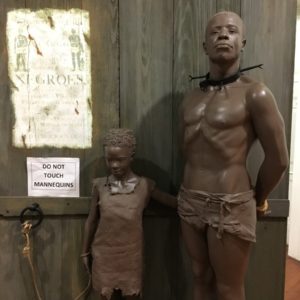
The title of my moment comes from a quote on page 55 of Watson and Potter’s book, Low-Cost Housing in Barbados: Evolution or Social Revolution? My humanities moment occurred in the Bajan archives while being able to view the original document that freed the enslaved people of the island. I simply sat down in the … Continued

%customfield(subject)%

Sometimes You Just Need to Keep Reading

Growing up in the mid-1960s as a white girl in Tuskegee, Alabama, Mab Segrest attended a segregated private school that her parents had helped found in response to a court order years earlier to integrate public high schools. In the shadows of governor George Wallace’s racist violence, history had “come to [her] front door.” Seeking … Continued

%customfield(subject)%

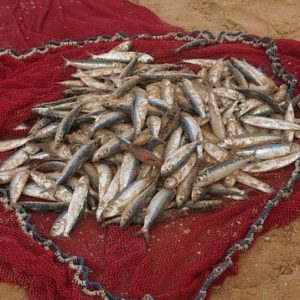
Fish and Place in Barbados

This mid-20th century oil painting, titled “Fishermen Mending Nets” by the artist Charles Poyer, depicts an elderly man repairing fishing nets by hand with tools located in a basket. The young boy watches with intrigue and appears ready to learn. This customary activity is occurring by the beach, imparting a sense of calm and peace … Continued

%customfield(subject)%

George Washington and the Movement of Enslaved Persons to Barbados

Before travelling to the George Washington House in Bridgetown, Barbados, I thought what most Americans think about George Washington: he was a strong, moral, and noble leader who is the epitome of what it means to be a patriot and an American. While visiting his former home in Barbados, where he lived for two months … Continued

%customfield(subject)%

The Burden of Sugar

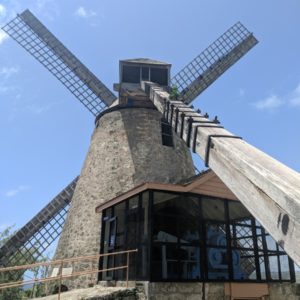
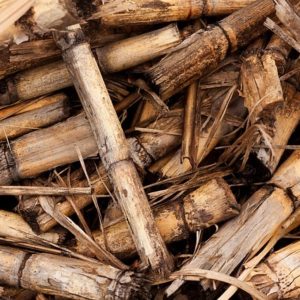
Visiting a sugar mill on the coast of Barbados, I wondered how far humans are willing to go for the everyday resources I take for granted. What are we willing to do to the environment or other human beings for sugar, salt, and electricity? In this image, you see the only wind-powered sugar mill still … Continued

%customfield(subject)%

Transformation of an Island

My source of inspiration came from a lecture on paintings and images of slave society presented at the Barbados National Museum. The painting by Issac Sailmaker entitled “Island of Barbados” visually depicts the transformation of the island’s geography due to the creation of sugar plantations in 1694. Sugar not only transformed the physical landscape of … Continued

%customfield(subject)%

The Liberation of Our Past

The Barbados Museum and Historical Society is located in a former military prison. Its original purpose of control through force and containment is clear and obvious when I entered the present-day museum. Cannons flank the entrance, a symbol of calculated and brutal violence. The façade is imposing, an intimidating tall arch way designed not to … Continued

%customfield(subject)%

Madonna’s Mandorla

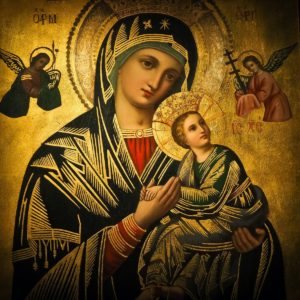
While acting as a teaching assistant for a large art appreciation course, Caroline Jones witnessed a student’s curiosity about a painting of the Madonna. Such symbols, so pervasive and recognizable in Western culture, she realized, are not as simple and self-contained as they may seem to some of us. The experience helped her to see … Continued