
Responsible AI Project
In 2021, the NHC launched an initiative, in partnership with Google, to help develop university-level curricula that would encourage students to think deeply about ethically and responsibly working with artificial intelligence technologies.

Phase 1: 2021–24
The aim of Phase 1 of the Responsible AI initiative was to engage humanities scholars from across the country to create courses about AI ethics. These courses would incorporate humanities materials and approaches to challenge students to think about the broader implications (social, cultural, and ethical) of artificial intelligence.
Twenty-three university faculty from 15 institutions were chosen via a competitive selection process. Applicants for this phase were limited to scholars from current NHC Institutional Sponsors. The selected cohort included a variety of institutional types (public and private research universities, liberal arts colleges, and HBCUs) that spanned the continental US.
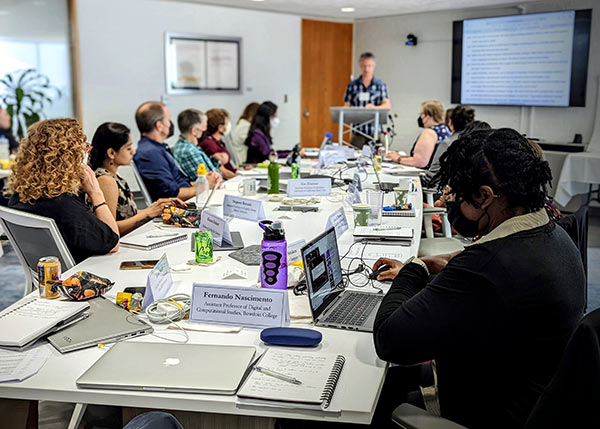
Those faculty participated in a dedicated mentorship program with intensive workshops, ideation and problem-solving sessions, and other community-building activities as they developed and implemented courses on responsible AI suited to their campus environments.
2023–24 Responsible AI Courses
The outcome of the first phase of the project has been the development of 15 new undergraduate courses that address ethical questions about the role of artificial intelligence in our world. Each course was designed by a nominated faculty member, and each institution made the course available for credit. Considered together, these courses offer insights into the emerging role of artificial intelligence in our world, and the part post-secondary institutions can play in preparing students to assess the impact and value of those technologies.
Featured Courses
All Courses
| Institution | Course | Instructor(s) | Semester |
|---|---|---|---|
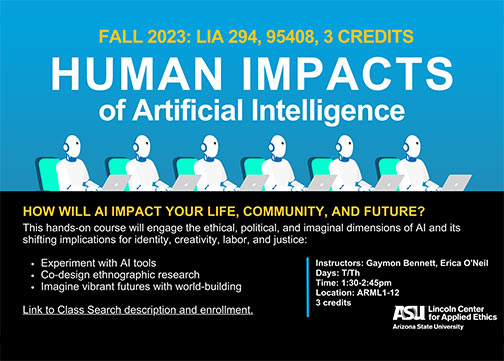
| Arizona State University | Human Impacts of AI | Gaymon Bennett, Erica O’Neil | Fall 2023 |
| Bowdoin College | AI Ethics | Eric Chown, Allison Cooper, Michael Franz, Fernando Nascimento | Fall 2023 |
| Case Western Reserve University | Responsible AI: Cultivating a Just and Sustainable Socio-technical Future through Data Citizenship | Timothy Beal, Michael Hemenway | Spring 2024 |
| Davidson College | Critical AI Studies | Raghu Ramanujan, Mark Sample | Spring 2024 |
| Duke University | Artificial Intelligence in Literature and Film | Aarthi Vadde (NHC Fellow, 2020–21) | Spring 2024 |
| George Mason University | Equitable AI | Nupoor Ranade | Spring 2024 |
| Johnson C. Smith University | Responsible Artificial Intelligence | Felesia Stukes | Spring 2024 |
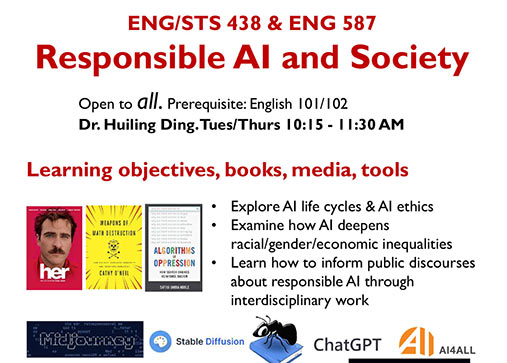
| North Carolina State University | Responsible AI and Society | Huiling Ding | Fall 2023 |
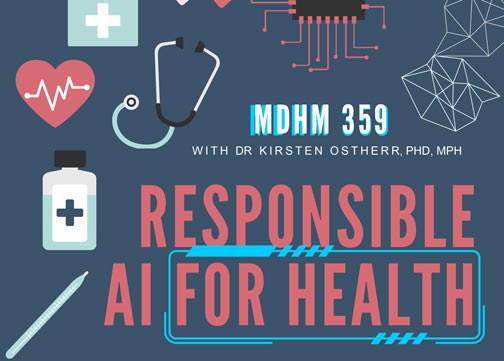
| Rice University | Responsible AI for Health | Kirsten Ostherr | Fall 2023 |
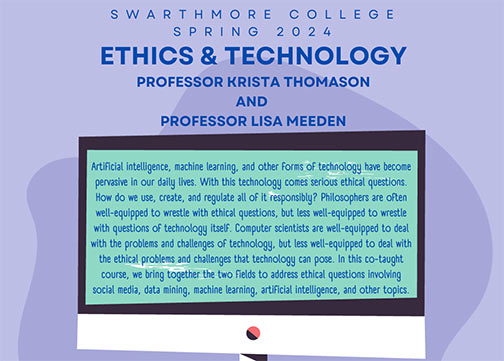
| Swarthmore College | Ethics and Technology | Lisa Meeden, Krista K. Thomason (NHC Fellow, 2021–22) | Spring 2024 |
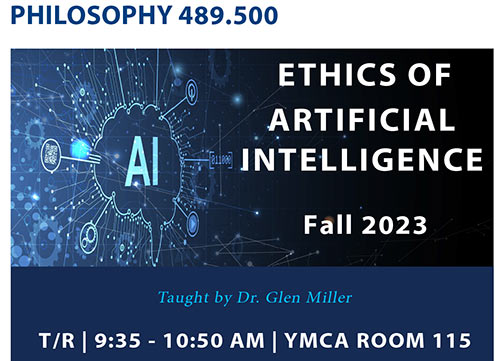
| Texas A&M University | Ethics of Artificial Intelligence | Glen Miller | Fall 2023 |
| University of California, Santa Cruz | Artificial Intelligence and Human Imagination | Zac Zimmer | Fall 2023 |
| University of Florida | Gender, Race, and Worldbuilding with AI | Hina Shaikh | Fall 2023 |
| University of Georgia | AI for Humans: Learning to Live with AI | Kimberly Van Orman | Spring 2024 |
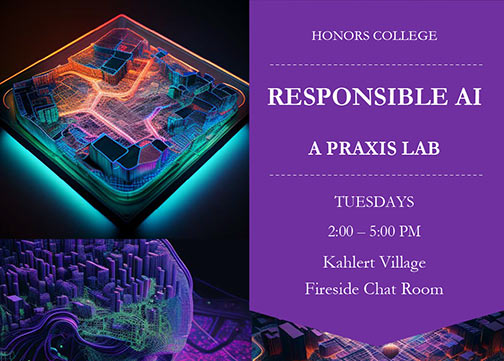
| The University of Utah | Praxis Lab in Responsible AI | Elizabeth Callaway | Fall 2023, Spring 2024 |
| The University of Utah | Responsible AI and the Literary Imagination | Elizabeth Callaway | Spring 2024 |
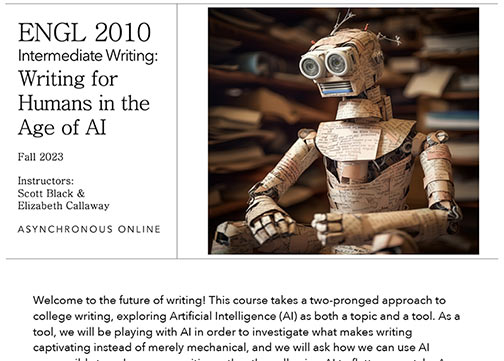
| The University of Utah | Writing for Humans in the Age of AI | Elizabeth Callaway | Fall 2023, Spring 2024 |
2021–24 Responsible AI Cohort

Timothy Beal
Distinguished University Professor and Florence Harkness Professor of Religion, Case Western Reserve University

Elizabeth Callaway
Assistant Professor of English, The University of Utah

Eric Chown
Professor of Digital and Computational Studies, Bowdoin College

Allison Cooper
Assistant Professor of Romance Languages and Literatures and Cinema Studies, Bowdoin College

Huiling Ding
Professor of English, North Carolina State University
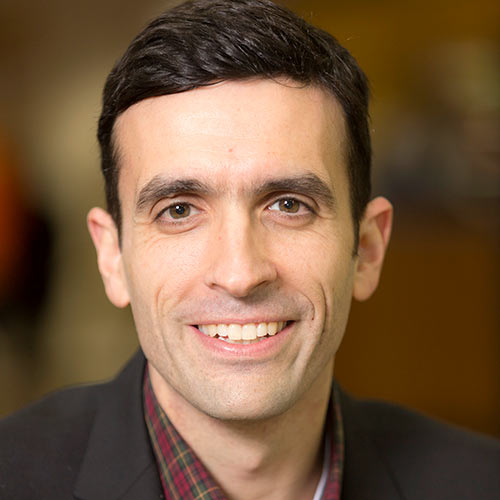
Michael Franz
Professor of Government, Bowdoin College

Michael Hemenway
Research Associate, h.lab, Case Western Reserve University
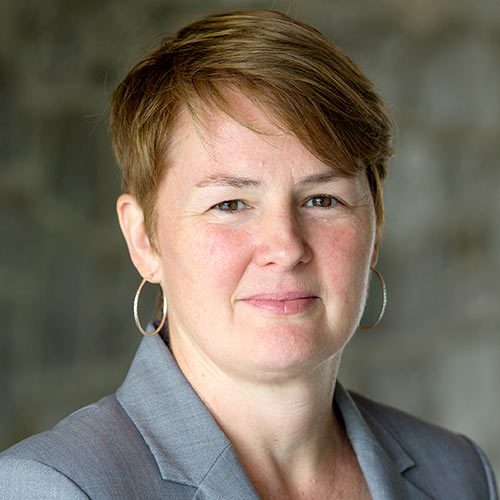
Lisa Meeden
Professor of Computer Science, Swarthmore College

Kristi Sweet
Associate Professor of Philosophy, Texas A&M University
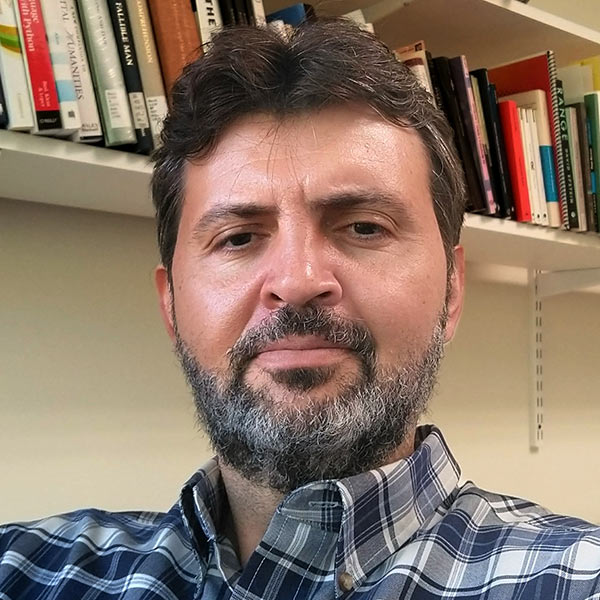
Fernando Nascimento
Assistant Professor of Digital and Computational Studies, Bowdoin College
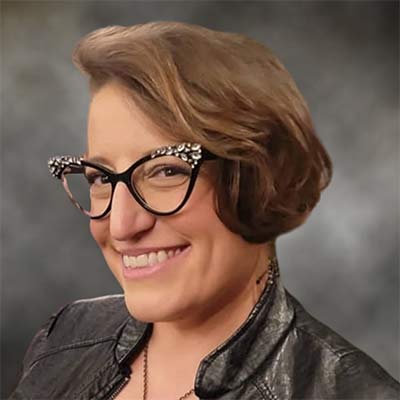
Erica O’Neil
Research Program Manager, Lincoln Center for Applied Ethics, Arizona State University

Kirsten Ostherr
Professor of English, Rice University
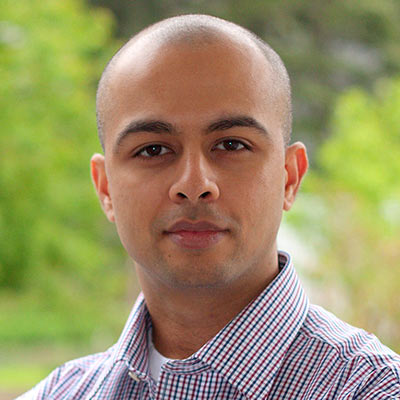
Raghuram Ramanujan
Associate Professor of Mathematics and Computer Science, Davidson College
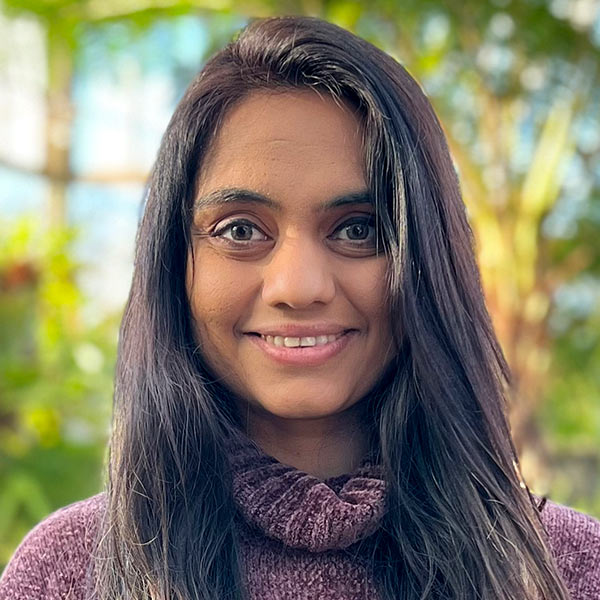
Nupoor Ranade
Assistant Professor of English, George Mason University

Mark Sample
Associate Professor of Digital Studies, Davidson College

Hina Shaikh
Assistant Professor, Center for Gender Studies, University of Florida
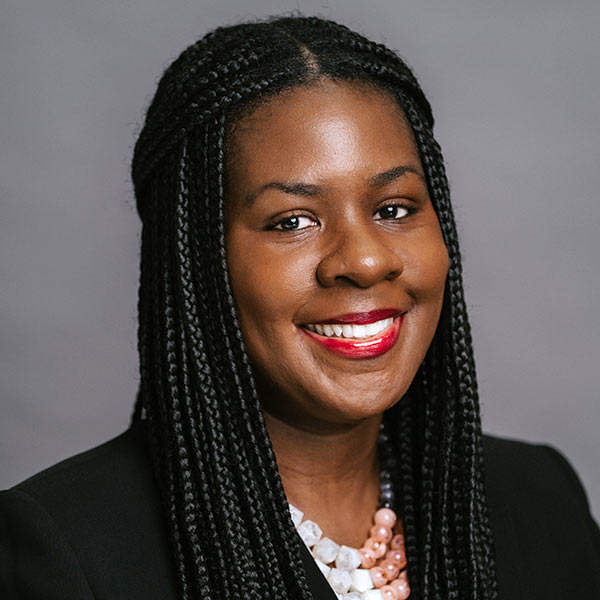
Felesia Stukes
Assistant Professor of Computer Science, Johnson C. Smith University

Krista K. Thomason
Associate Professor of Philosophy, Swarthmore College (NHC Fellow, 2021–22)

Aarthi Vadde
Associate Professor of English, Duke University (NHC Fellow, 2020–21)

Kimberly Van Orman
Lecturer, Institute for Artificial Intelligence, University of Georgia

Zac Zimmer
Associate Professor of Literature, University of California, Santa Cruz
Institute Leaders and Speakers

Charlotte Dungan
Director of Implementation, The AI Education Project
Institute Leader

Sarah Sedlak, J.D.
Lecturing Fellow, Duke Initiative for Science & Society, Duke University
Institute Leader
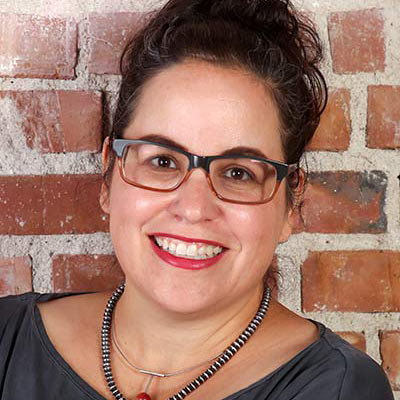
Krista Glazewski
Professor and Department Chair of Instructional Systems Technology, Indiana University Bloomington
Institute Speaker
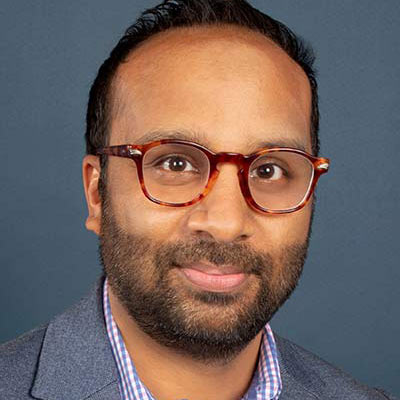
Sharad Goel
Professor of Public Policy, Kennedy School of Public Policy, Harvard University
Institute Speaker
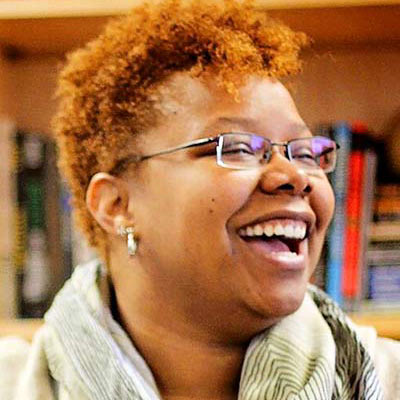
Kishonna Gray
Associate Professor of Writing, Rhetoric, Digital Studies, University of Kentucky
Institute Speaker
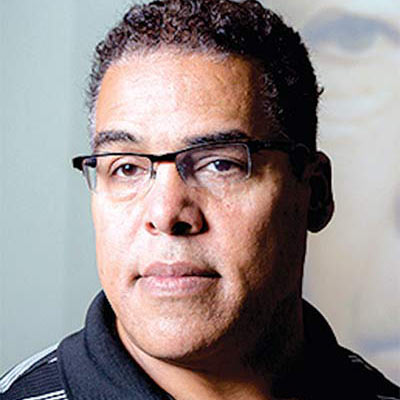
Karl Ricanek
Professor of Computer Science, University of North Carolina Wilmington
Institute Speaker
Materials Developed by the 2021–24 Responsible AI Cohort
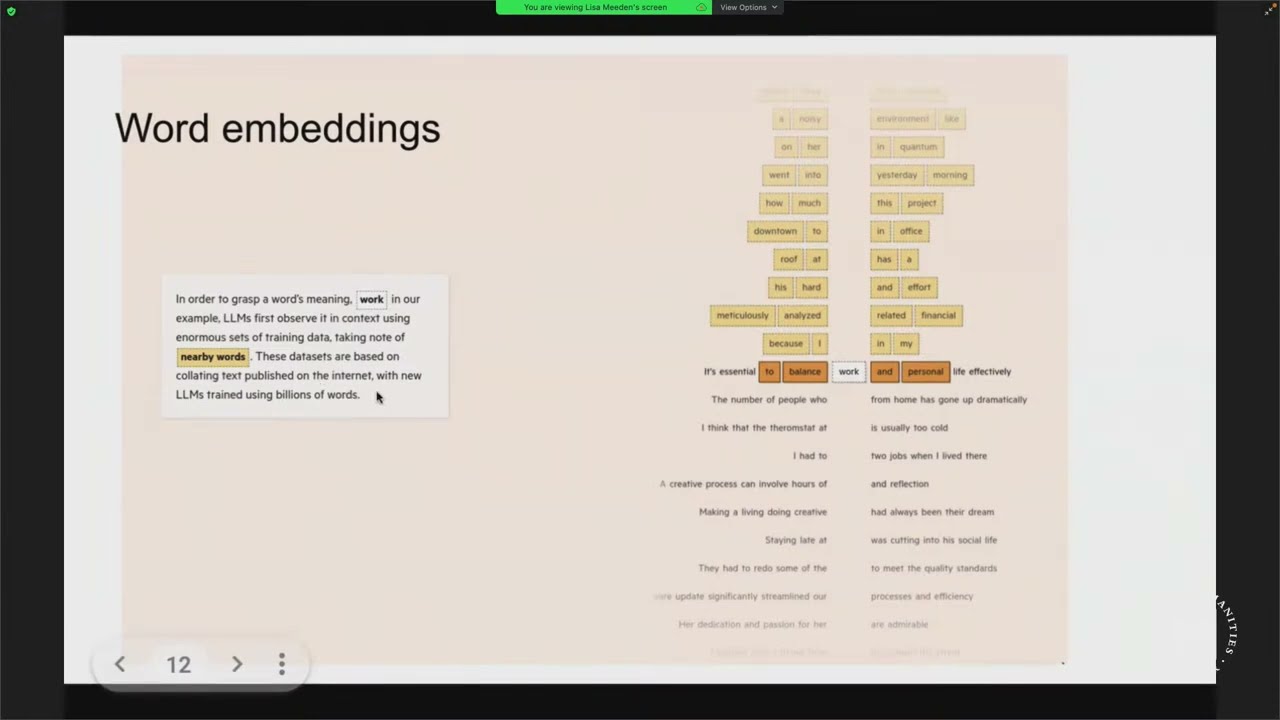
Exploring the Mechanisms Underlying LLMs
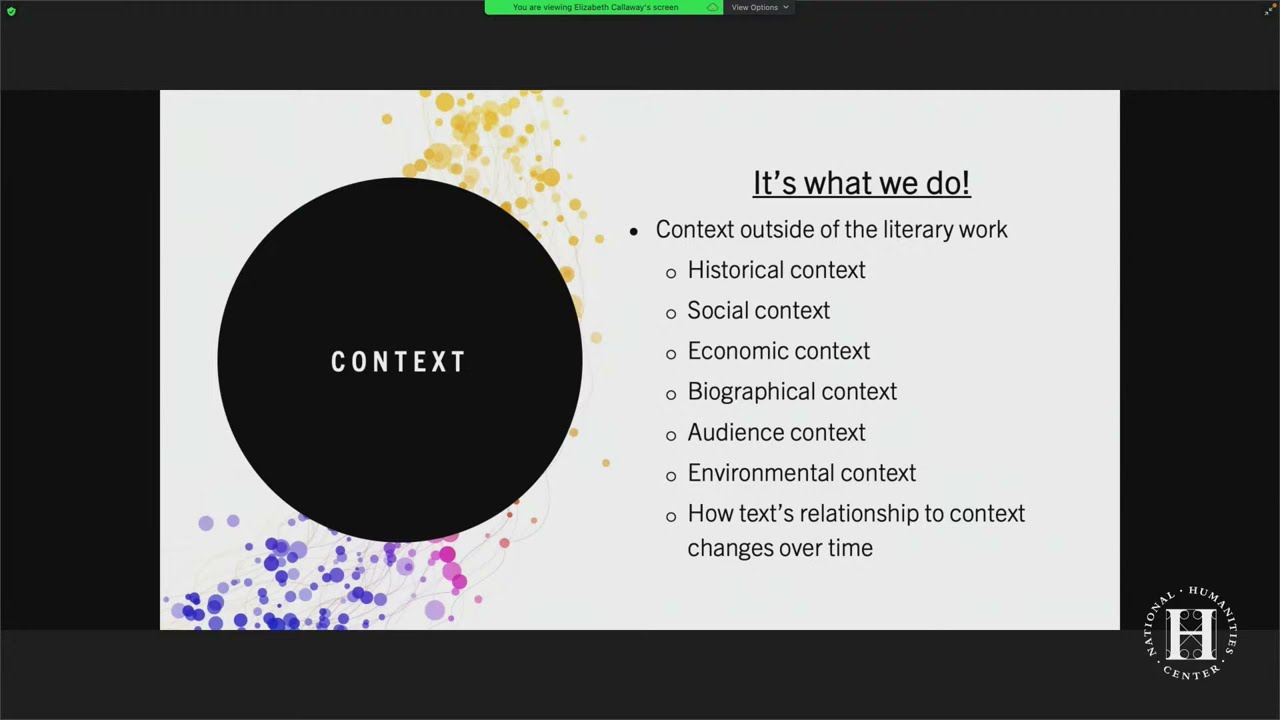
Contextualizing Code and Anticipating Agency: Why AI Development Needs Literary Studies
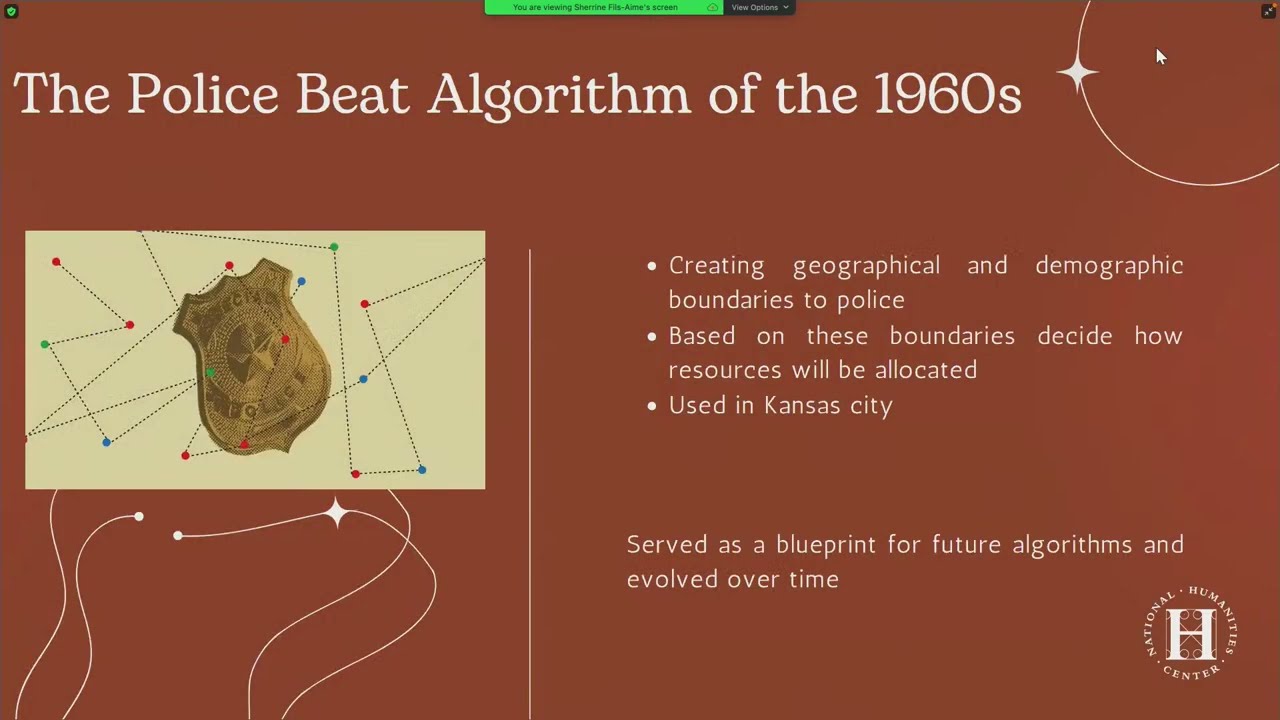
From the Classroom to the Community: Teaching, Learning, and Doing Data/AI Justice
Phase 2: 2024–26
In the second phase of the Responsible AI project, the Center Center funded four partnerships between NHC Institutional Sponsors and community colleges or Minority Serving Institutions to teach responsible AI courses on their respective campuses during the 2025–26 school year.
These partnerships are helping ensure that nuanced AI education is more widely available across institution types and will enhance pedagogical relationships between the partnering institutions. In addition, all faculty who participate in this program will develop open-access educational materials that will be published by the NHC. Participants in phase two were selected from among institutions involved in phase one and partner institutions (either a community college or Minority Serving Institution) of their choosing. They include:
- Arizona State University
- Cabrillo Community College
- Chandler-Gilbert Community College
- Johnson C. Smith University
- North Carolina Central University
- Texas A&M University
- Texas Tech University
- University of California, Santa Cruz
- University of Texas at Arlington
During the 2025–26 academic year, these partnered institutions will offer and conduct a course on the topic of responsible AI for students on their respective campuses. The courses offered through this partnership project will be co-developed by faculty from each institution. Throughout the project, faculty will also participate in virtual monthly meetings hosted by the NHC where they can discuss course projects and activities, learn from guest scholars and experts, and participate in exercises designed to enhance collaboration between partner institutions.