National Humanities Center Announces 2026 Scholarly Writing Institute Participants
The National Humanities Center announces the selection of twenty scholars to attend its second annual Scholarly Writing Institute. These scholars, from sixteen universities and colleges in ten US states, will be in residence at the Center for a nine-day intensive writing and research program in early July.
Building on the success of the inaugural Scholarly Writing Institute in 2025, this year’s institute aims to provide participants with the tools, space, and resources required to significantly advance scholarly projects. Each participant will have access to their own office, group sessions and individual consultation with an acclaimed writing coach and respected academic presses, and will have the opportunity to learn more about the NHC Residential Fellowship and other upcoming institutes.
“The Center is always looking for new, exciting ways to keep supporting scholars and their projects,” said Martha Kelly, vice president for scholarly programs. “Intellectual exchange lies at the heart of all Center offerings, and we’re pleased to welcome these impressive scholars to join the NHC community and contribute to its storied history of bringing together brilliant minds to work alongside and encourage one another.”
2026 Scholarly Writing Institute Participants
- Aimee Bahng, Pomona College
- Christopher A. Baron, University of Notre Dame
- Dorri Beam, Syracuse University
- Karlee Bergendorff, The University of Texas at San Antonio
- Gail A. Bulman, Syracuse University
- Pierre-Elliot Caswell, University of Notre Dame
- Quin’Nita Cobbins-Modica, University of California, Santa Cruz
- Alexandra Dantzer, University of Cincinnati
- Meg Day, North Carolina State University
- Richard Fadok, Rochester Institute of Technology
- Jennifer Frangos, University of Missouri-Kansas City
- Thom Loyd, Augusta University
- E. Nicole Meyer, Augusta University
- Erin Runions, Pomona College
- Sheri Francis Shaneyfelt, Vanderbilt University
- Maurika Ariane Smutherman, North Carolina Central University
- Linda L. Sturtz, Macalester College
- Sebastián López Vergara, Stony Brook University
- Megan M. Wood, Ohio Northern University
- Taylore Nicole Woodhouse, University of Georgia
About the National Humanities Center
The National Humanities Center is the world’s only independently-funded institute dedicated exclusively to advanced study in the humanities. For nearly five decades, the Center has provided essential research support to scholars, offered innovative professional development for educators, and acted as a vital convener of diverse intellectual communities.
Media Contact
Don Solomon
Vice President for Communications and Marketing
(919) 406-0120
Share this page
Latest News

Announcements
New Exhibit Focuses on “The Inner Passage” to Freedom
Sep 4, 2026
“The Inner Passage: Photographs by Virginia McGee Richards” will be on display at the National Humanities Center, September 8–May 28.
Announcements
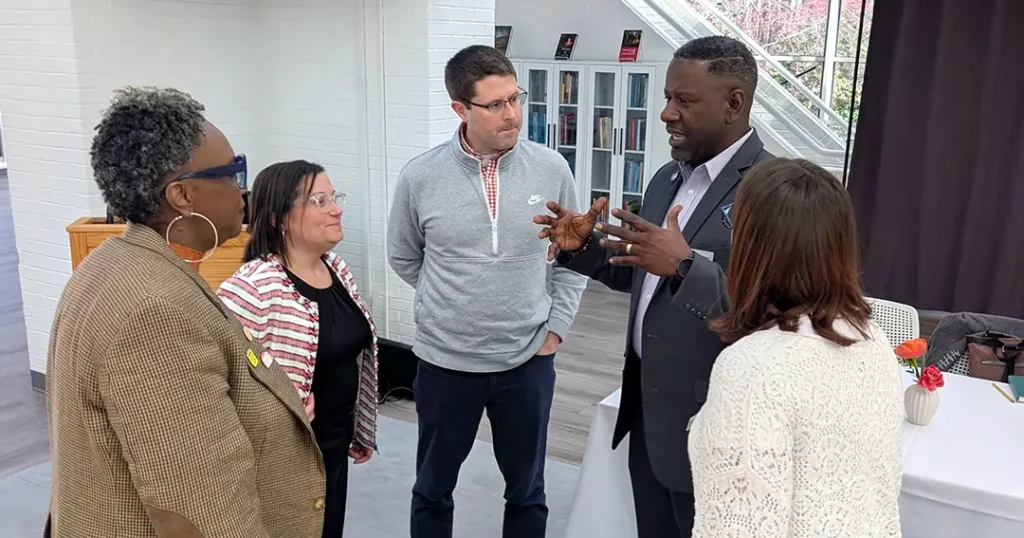
National Humanities Center Names 2026–27 Teacher Advisory Council
Aug 4, 2026
The National Humanities Center (NHC) has selected 20 talented educators from across the country for its 2026–27 Teacher Advisory Council.
Announcements
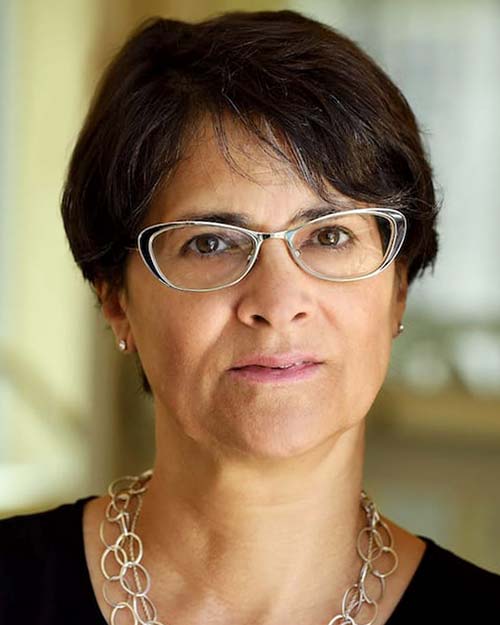
Historian Martha S. Jones Joins National Humanities Center Board
Jul 29, 2026
Award-winning historian, legal scholar, and author Martha S. Jones has been elected to the National Humanities Center’s board of trustees.
Announcements
Embracing Curiosity and Inspiring Courage
Jun 15, 2026
Kathleen DuVal (NHC Fellow, 2008–09; 2025–26) shares insights from her acclaimed book “Native Nations” with NHC President and Director Blair LM Kelley.