Polio and Public Memory
Webinar Details
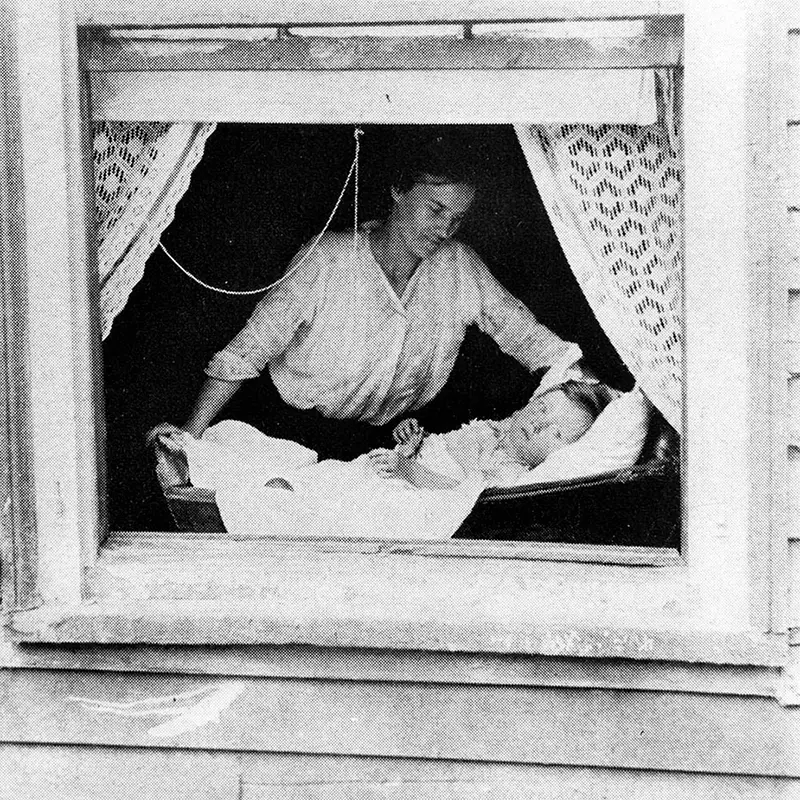
Polio has been around for hundreds of years as an endemic ailment, but by the middle of the twentieth century it was the most feared disease threatening children in the United States. Although widespread vaccination dramatically reduced its impact after 1955, the cultural history of polio—and the ways Americans remembered and later forgot the disease—offers important insights into public health, citizenship, and collective memory.
This webinar introduces educators to the cultural history of epidemic polio by examining the stories, assumptions, and public narratives that shaped Americans’ understanding of the disease. Participants will explore how literature, film, and other cultural texts—including works by James Baldwin and Mary Poppins—can help students investigate questions about disability, race, public health, and epidemic memory. Educators will gain strategies for connecting historical case studies to contemporary conversations about public health and civic responsibility.
Instructor: Claire Seiler (NHC Fellow, 2025–26), Dickinson College
Share this page
Related Events

Grant Writing in the Humanities

Navigating Religious Questions and Concerns in the Classroom