

“Technology cannot assess the multiple masks of evil, the complicated ethics of choice, the pain of loss, the joys of love, or the frustrations and celebrations our yearning to be both human and more than human produce.”
–Robert D. Newman, Humanities Moments and the Heroic
Accounting for the Human Element: Science, Technology, and the National Humanities Center
The promises and perils of technological change can be felt in nearly every corner of our lives. How are we to decide which technologies to implement and how? How do we regulate innovation so that it doesn’t replicate or exacerbate historical inequities? How do we maintain our humanity?
Helping us think about these choices, to contextualize and critique advances in science, technology, engineering, and medicine, has been the focus of over 100 NHC Fellows. Their work in bioethics, medical humanities, the history and philosophy of science—and integrative work involving humanities and technology—has shed light on scientific and medical endeavors across time, and helps us see how our lives are continually being shaped by scientific discovery and technological change.
Some of the Center’s notable Fellows working in these areas include Joni Adamson (NHC Fellow, 2018–19), a founding figure in environmental humanities; Leon R. Kass (NHC Fellow, 1984–85), physician, philosopher, and former chairman of the President’s Council on Bioethics; Ryan E. Emanuel (NHC Fellow, 2020–21), hydrologist and Lumbee historian; Nancy Tomes (NHC Fellow, 1999–00; 2022–23), pioneering medical historian and member of the US Medical Licensing Examination Board; Peter Galison (NHC Fellow, 2017–18), Harvard physicist and historian of science; and eight past presidents of the American Society for Environmental History.
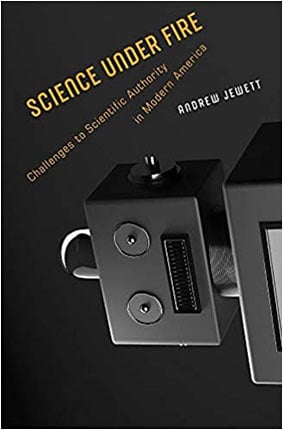
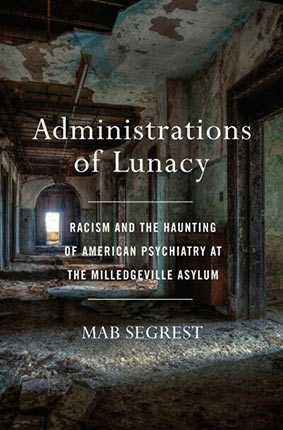
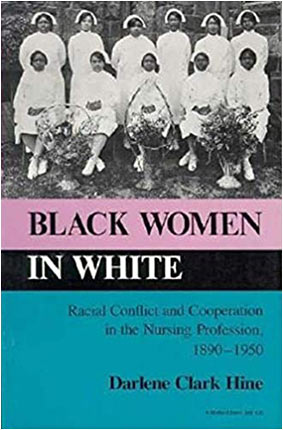
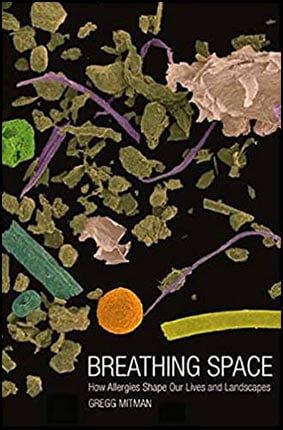
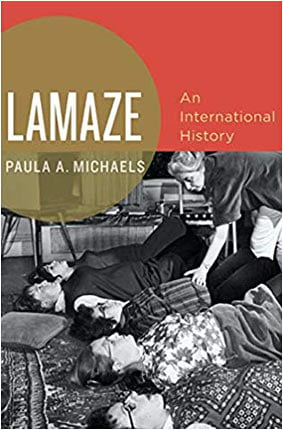
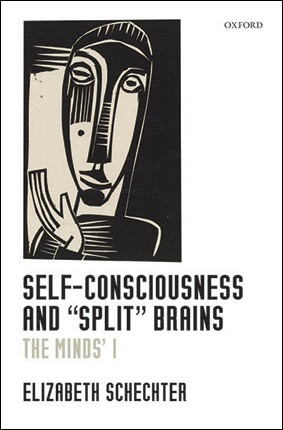
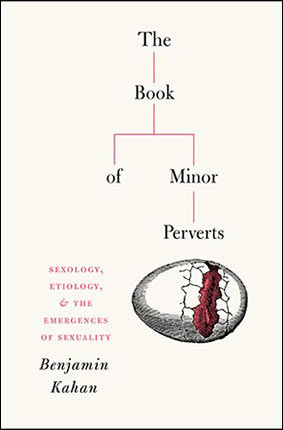
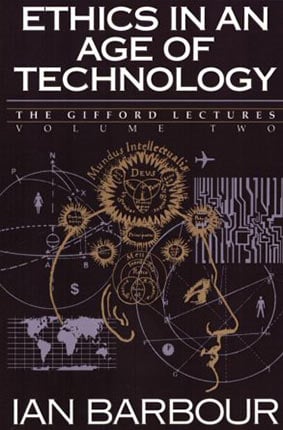
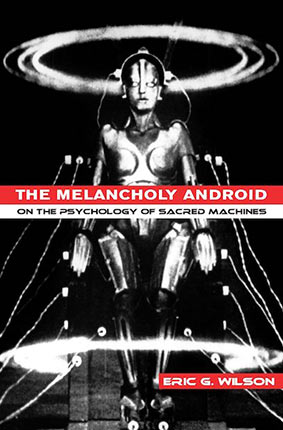
Books by Fellows
Bridging the Two Cultures
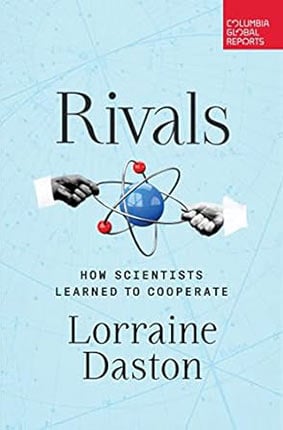
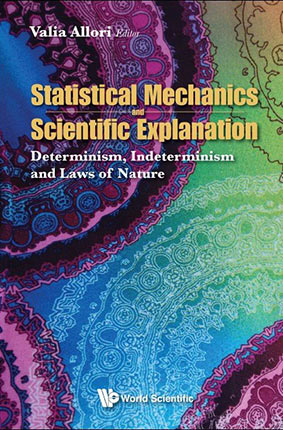
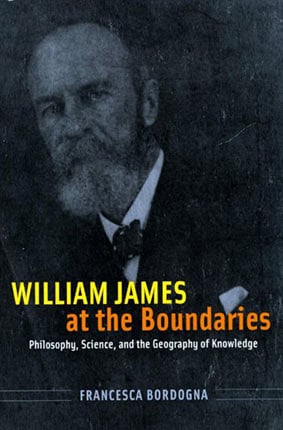
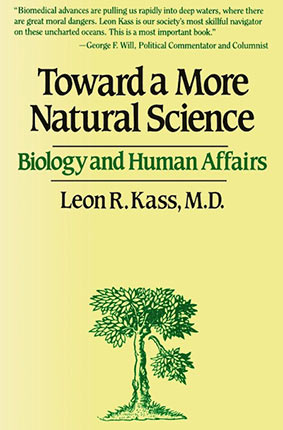
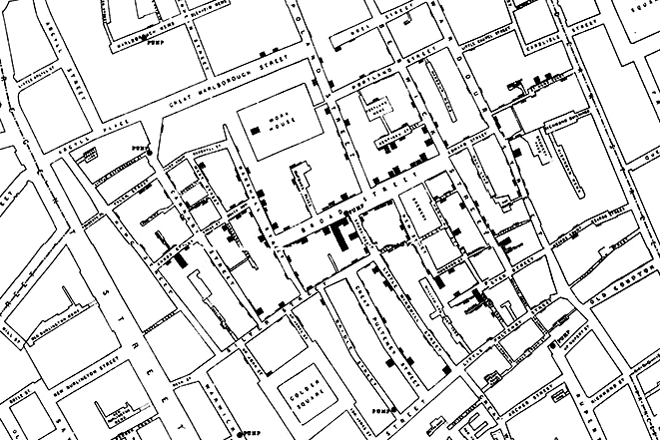
The Center also provides educators with a rich assortment of professional development opportunities and resources focused on understanding science, technology, and medicine from the perspective of the humanities. Webinar subjects range from the atomic bomb to COVID-19, while interactive lessons and primary source materials explore the societal impact of technologies like the radio and the airplane.
The Center’s public engagement programs have highlighted the need for greater dialogue and partnering among humanists and scientists. NHC conferences on medical humanities and artificial intelligence have featured scientists, healthcare providers, business leaders, artists, educators, and policymakers in conversation with humanists to address complex challenges in health care and the rapid adoption of AI technologies.
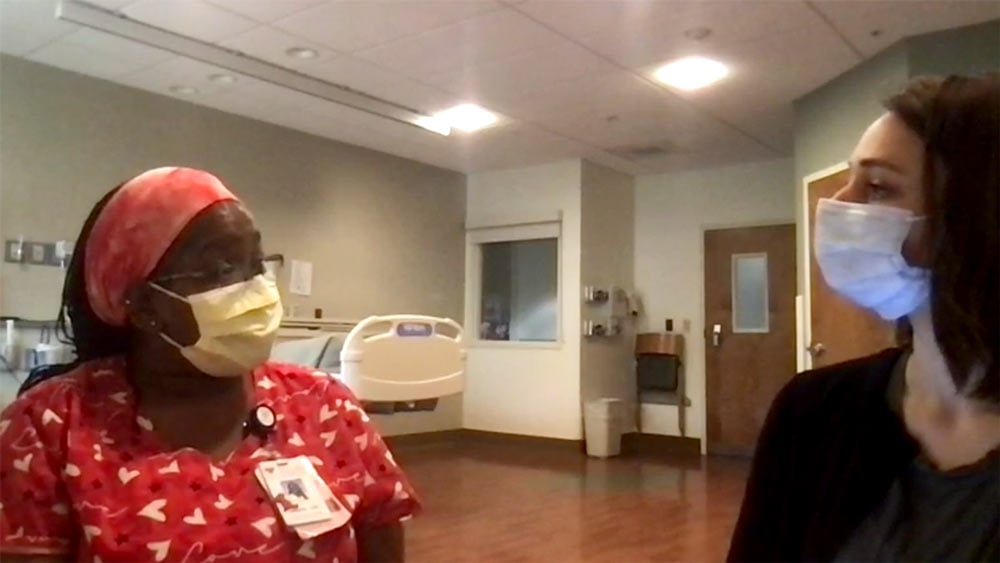
The NHC’s interdisciplinary public engagement work includes the COVID-19 Oral History Project, created to help healthcare professionals articulate their narratives of the shared experience of a pandemic. The project is unique in that it is squarely grounded in scholarly work, and includes training and research opportunities for humanities and healthcare students.
How Do We Know What We Know: Developing and Enhancing the Curriculum
At a startling pace and in unexpected ways, artificial intelligence technologies have infiltrated our lives over the past couple of years. They are reshaping the ways that we conduct business, govern, provide healthcare and security, even the ways students do homework. The large-scale cultural and societal implications of these changes—and the ethical questions they raise—pose a serious challenge.
The NHC has taken an active role in helping address these challenges. First, by hosting In Our Image: Artificial Intelligence and the Humanities, an international conference on the role the humanities can play in understanding and harnessing the enormous power and potential of AI.
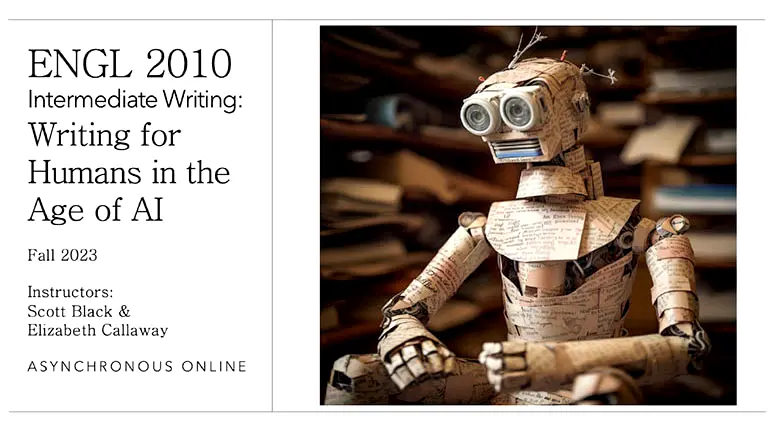
Highlighting perspectives from leading humanists, scientists, engineers, artists, writers, and executives, the conference generated recommendations that inspired deeper and broader engagement on these issues through the Center’s Responsible AI Project. In partnership with fifteen top universities and colleges, the Center has facilitated the development of undergraduate courses that address ethical questions about the role of AI in our world. Each course was designed by a nominated faculty member and made available for credit. Considered together, these courses offer insights into the emerging role of AI in our world, and the role post-secondary institutions can play in preparing students to assess the impact and value of those technologies.