History Passport: Reconnecting German Settlers and their Arkansas Neighbors
Cane Hill and Dutch Mills, Arkansas
April 19, 2025
Organizers: Historic Cane Hill and the University of Arkansas at Fayetteville
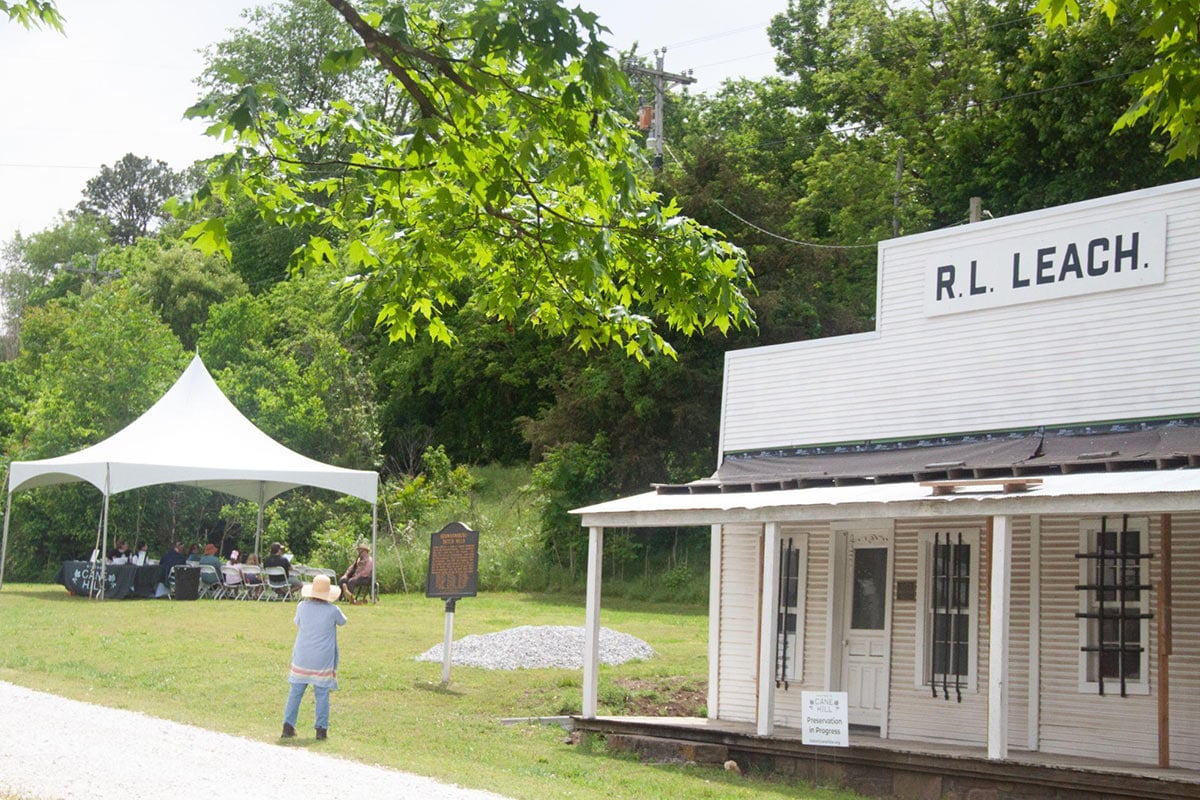
The R. L. Leach historical building on Cane Hill’s campus. Photo courtesy of Historic Cane Hill.
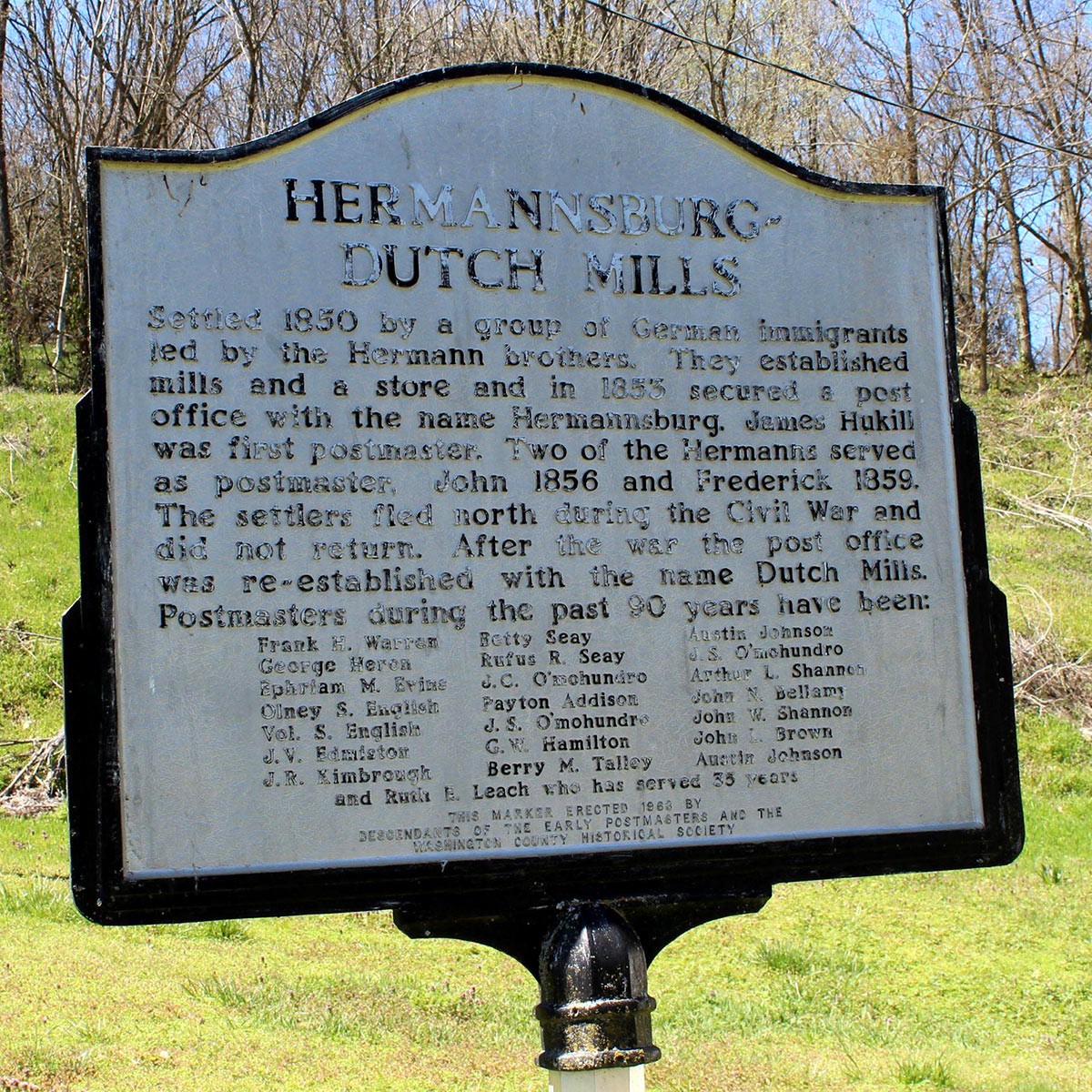
The story of Hermannsburg is a poignant example of the immigrant experience in nineteenth-century Arkansas. Having fled war-torn Germany in 1850, brothers Johann and Karl Hermann built a thriving community over twelve years, only to see it destroyed by the Civil War. On December 21, 1862, as widespread fighting left the region in ruins, the Hermann families joined a Union supply convoy, abandoning their once-prosperous home. While the history of Hermannsburg (now Dutch Mills) is largely forgotten, this program sought to reconnect the community with its German heritage.
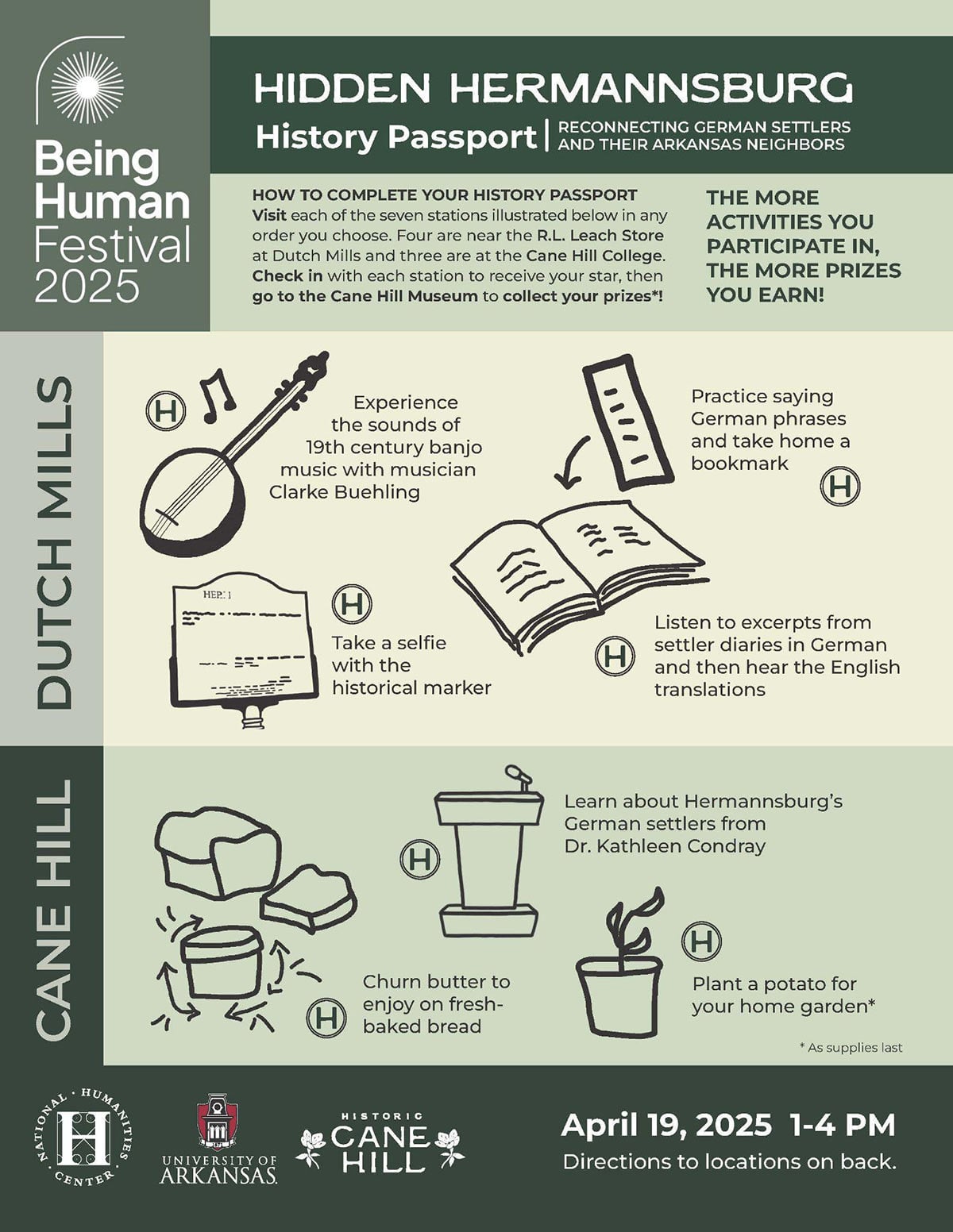
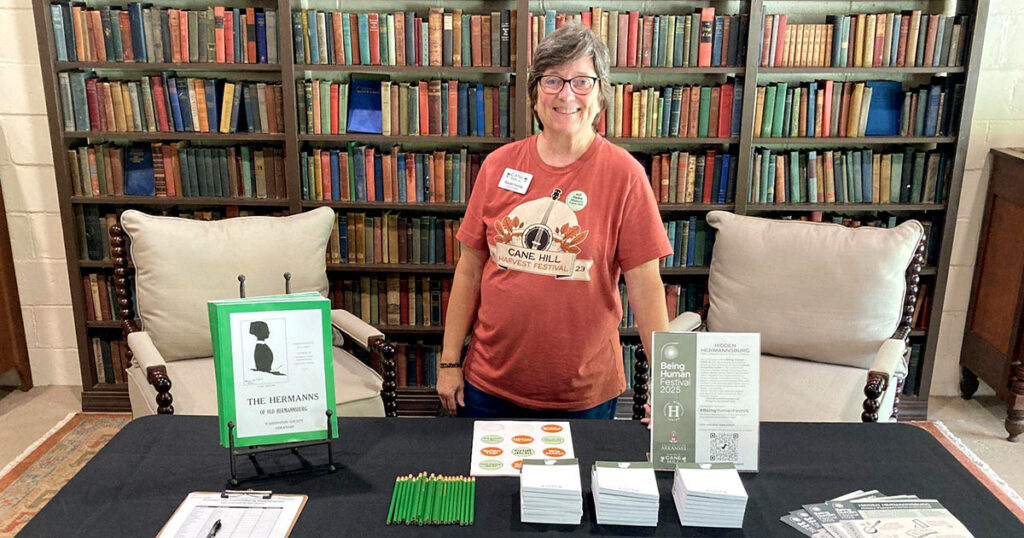
For this event, organizers designed a number of interactive activities that led participants through the history of Cane Hill. In addition to completing individual History Passports that guided them through the history, culture, and heritage of this community, participants were also given specially designed German language bookmarks and stickers. These interactive materials encouraged participants to fully immerse themselves in the “hidden world” of Hermannsburg, leading them to a deeper understanding of, and an active relationship with, the settlement’s history.
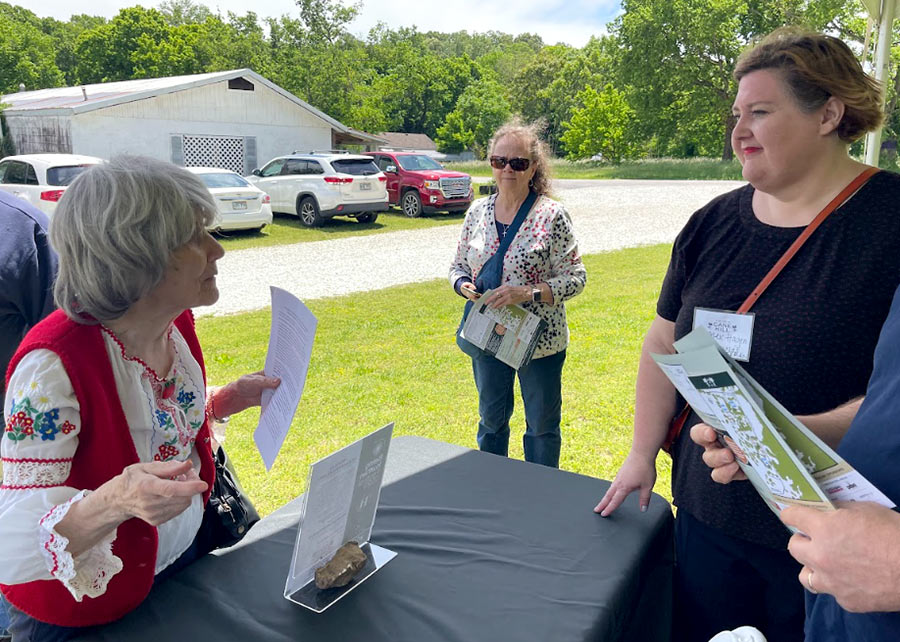
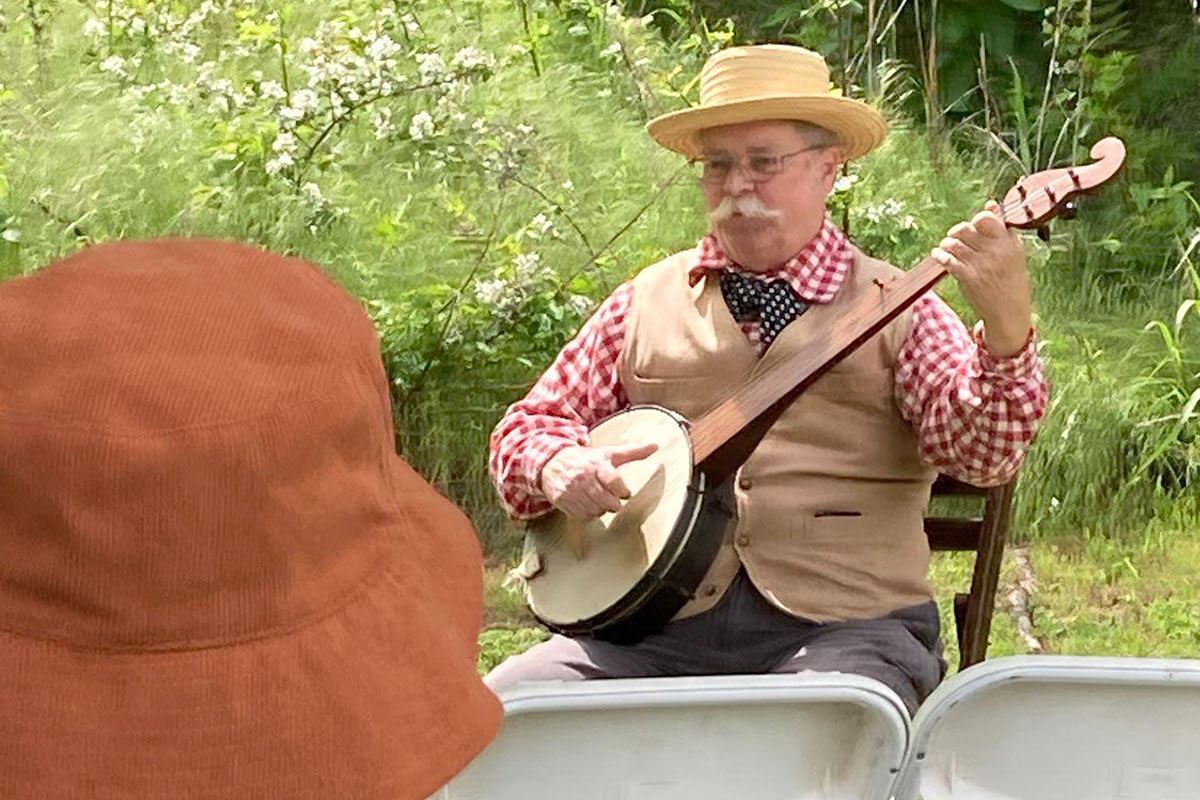
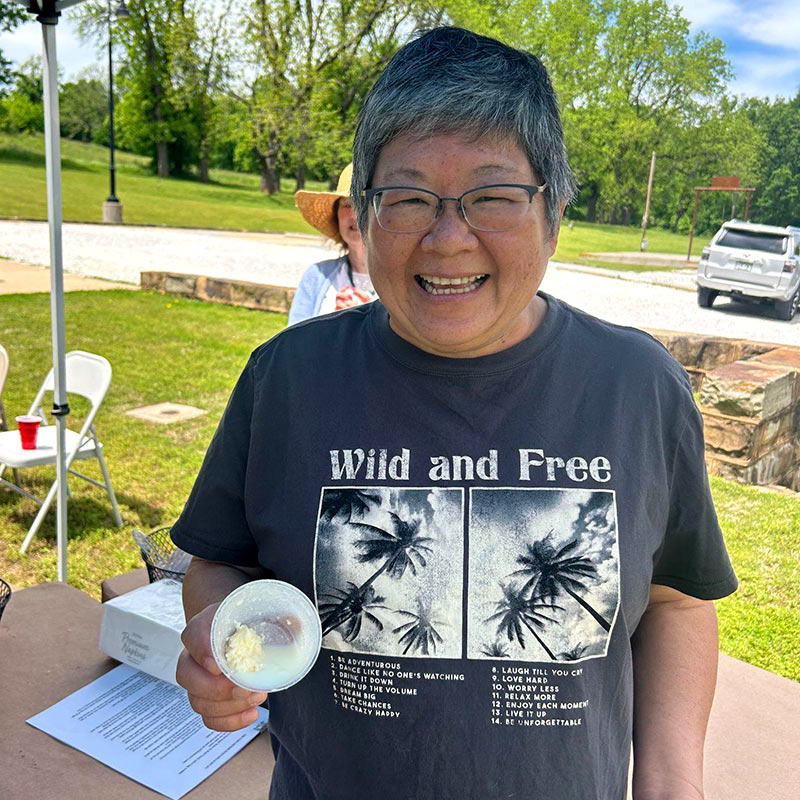
Attendees also experienced the rich legacy of German settlers in northwest Arkansas through nineteenth-century banjo music, readings from family diaries, language learning activities, and hands-on activities such as potato-planting and butter-making.
In addition to learning about the area’s German history, many local residents visited the Historic Cane Hill campus for the first time and discovered the organization’s many programs, so this grant’s impact will extend far into the future as area citizens continue to take part in public humanities events.
–Kathleen Condray, Festival event organizer
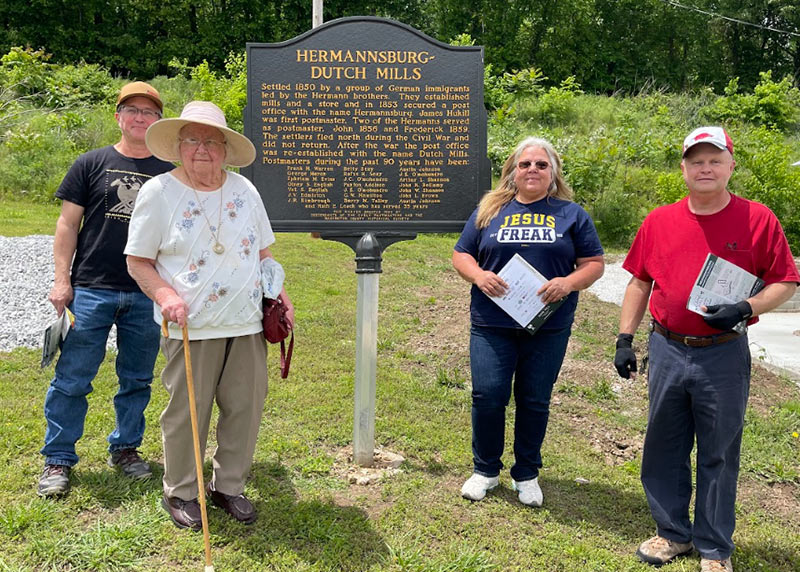
As a part of this Festival event, organizers were also able to sponsor the restoration of a weather-worn historical marker, which ensures that all visitors to Dutch Mills will be informed about this history for years to come. This Being Human Festival event also made it possible for Hermannsburg to be added to the Migrant Voices project, a digital archive that maps “unheard migrant voices in Arkansas” (sponsored by the University of Arkansas).