
Undergraduate Humanities Innovators
Undergraduate students committed to the humanities have the opportunity to pursue a wide range of career pathways, but often lack the levels of specialized pre-professional support and structured engagement with peers enjoyed by students in law, business, or STEM fields. The Undergraduate Humanities Innovators program seeks to address this inequity by bringing together a community of future scholars, practitioners, and leaders in the humanities to learn from experts and from one another.
Students who take part in this year-long experience will receive tailored mentorship and take part in professional development activities designed to strengthen their portfolios, refine their research skills, clarify postgraduate options and processes, and to develop a comprehensive understanding of the breadth and state of humanistic work in the United States today.
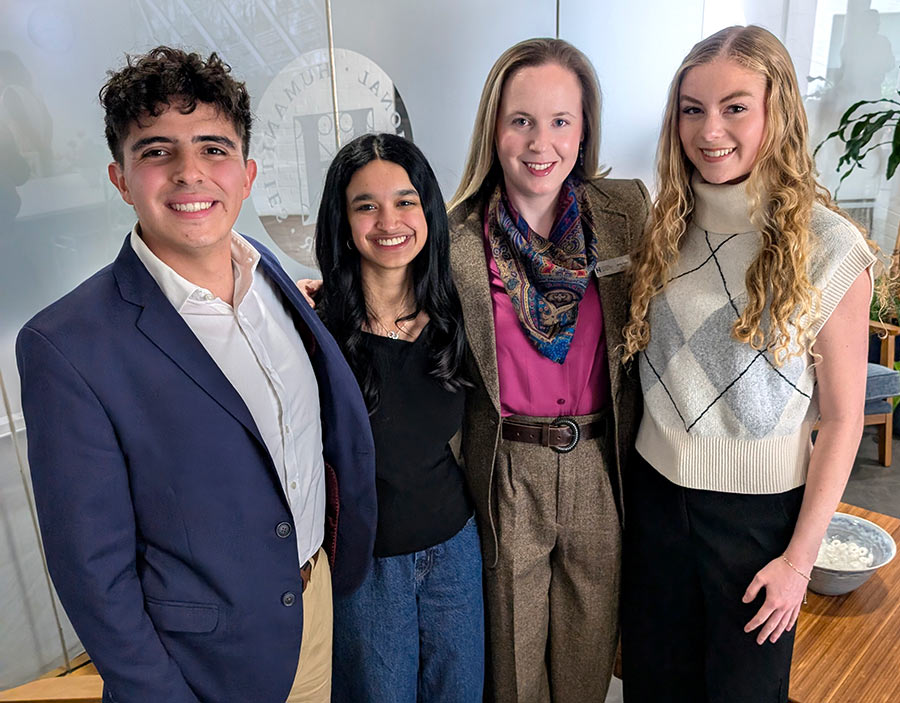
I discovered the field of Digital Humanities through the [Undergraduate Humanities Innovators program], and began to consider how humanists could responsibly incorporate digital technologies, including AI, into our work. Later, I founded the first undergraduate journal for digital humanities in the United States, based at Yale University.
–Aruna Balasubramanian, 2023–24
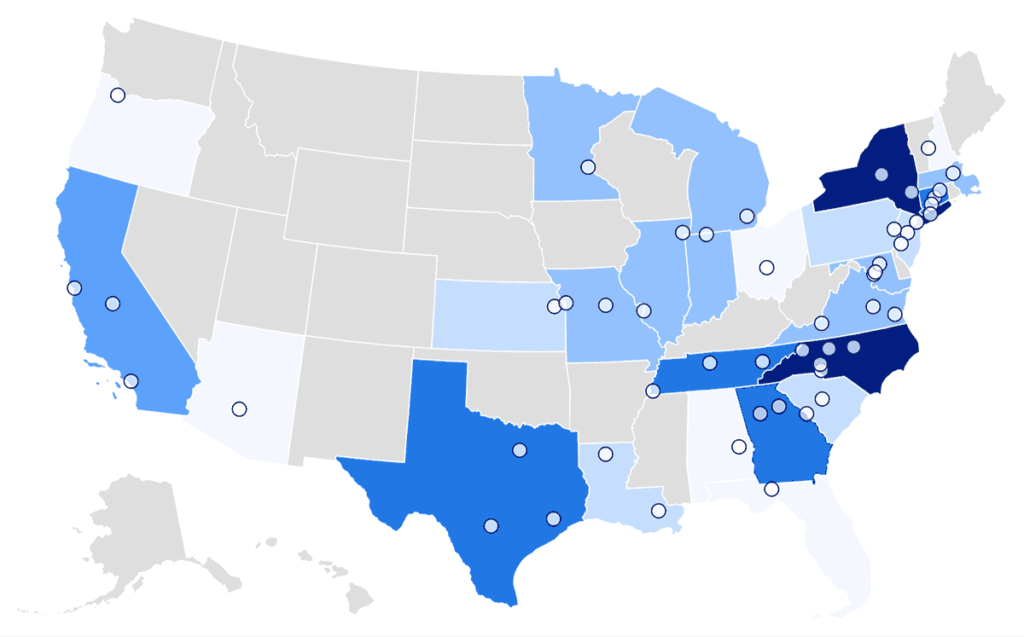
The division of Public Engagement at the National Humanities Center established the Undergraduate Humanities Innovators program (formerly National Humanities Leadership Council) to empower a group of student leaders from institutions across the country to leverage humanistic approaches in their work inside and outside of the academy. Students selected as Innovators participate in a unique series of interactive experiences with humanities practitioners in a variety of fields and sectors. From discussion sessions to skill-based workshops, they explore the essential importance of humanistic perspectives in addressing the concerns of contemporary society. Students also focus on developing projects with their cohort and engaging with the communities at their institutions.
Something the [Undergraduate Humanities Innovators program] was really keen on doing for me in terms of career was connecting me with so many other people…and navigating a little bit of that academic side that is always a little bit closed door [where] nobody really wants to open the door for anyone else. The [program] was very willing to be a step in the door for me.
–Michael Terrenzi, 2023–24
Undergraduate Humanities Innovators 2025–26
Sadie Abramson
University of Richmond
Yaman Albittar
Hamilton College
Zahra Aljiboury
Brandeis University
Alexia Anthony
Xavier University of Louisiana
Eli Ashcroft
Reed College
Jaycob Beasley
Tuskegee University
Natalie Cline
The Ohio State University
Lilah Crum-Barnhill
University of Missouri-Kansas City
Emily Fan
Washington University in St. Louis
Theodore Gercken
Hamilton College
Prisha Gupta
Duke University
Hongtao Hu
Rice University
Angel Hu
Yale University
Phaedra Hyche
Hampton University
Anne Jones
Wake Forest University
Eric Lane
The University of Texas at San Antonio
Campbell Lindquist
University of North Carolina at Chapel Hill
Janeen Louis
Howard University
Neona Norwood
Louisiana Tech University
Olivia Piersall
Hamilton College
Kimberly Samboy
Duke University
Max Scholl
Rice University
Raina Sohur
University of North Carolina at Chapel Hill
Riley Strait
Johns Hopkins University
Ashley Thornton
University of California, Irvine
Paul Wallace
Macalester College
Maddox Weckerle-Dietz
Columbia College, Columbia University
[Undergraduate Humanities Innovators] provided me with the resources necessary to work with and learn from the National Humanities Center, an institution that prioritizes public-facing humanities work, helping others realize the importance of the humanities to our experience of life itself.
–Trisha Santanam, 2024-25
Featured Projects
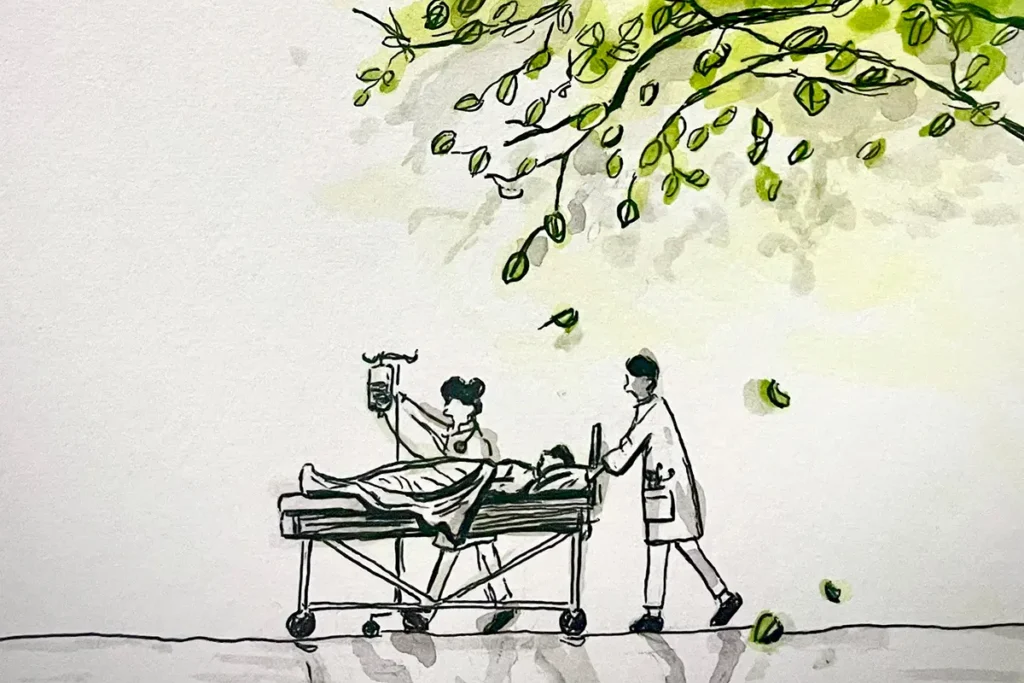
Departure and Return
Madison Zhao, Rice University (2024–25)
An illustration, published in Intima: A Journal of Narrative Medicine, that raises questions about the ethics of geriatric care. Zhao’s image visualizes the complex relationship between medicine and the aging body, and encourages viewers to meditate on the human experience of end-of-life medical interventions.
Social Media, Public History, and the Responsibilities of Preservation
Madalyn Hutchinson, University of North Carolina at Chapel Hill (2024–25)
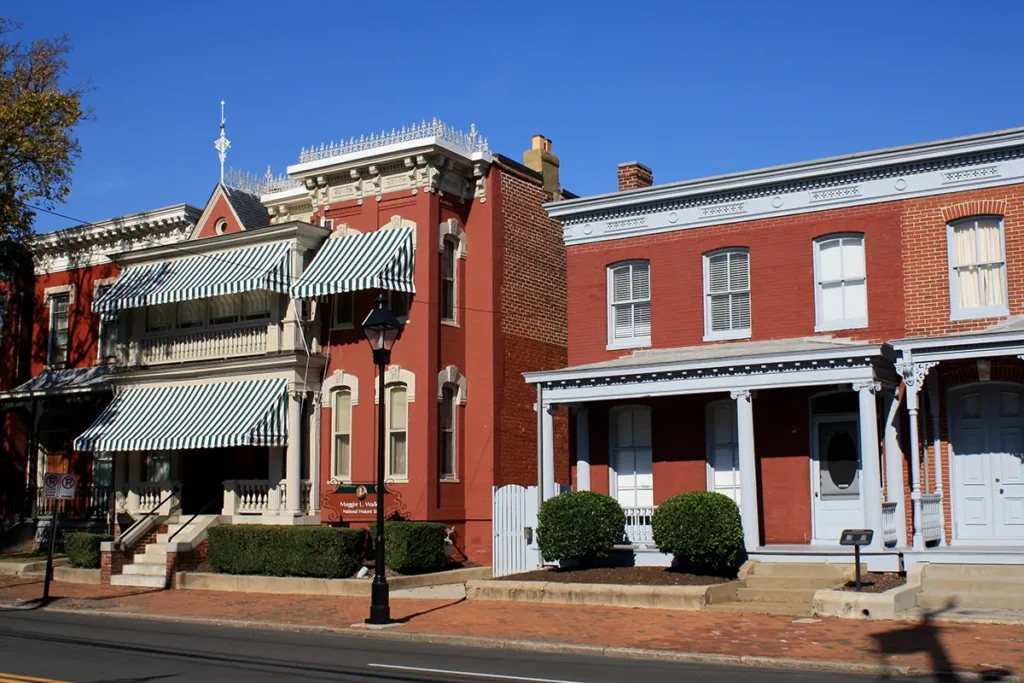
A long-form, public essay investigating the interpretive practices of the National Park Service (NPS) on national historic sites across presidential administrations. Using the NPS’s Instagram account as a point of entry, Hutchinson explores the effects of agency-level shifts on rhetorical practice.
Reminiscences of Latino Immigrants in Memphis
Pablo Ávila, University of Memphis (2024–25)
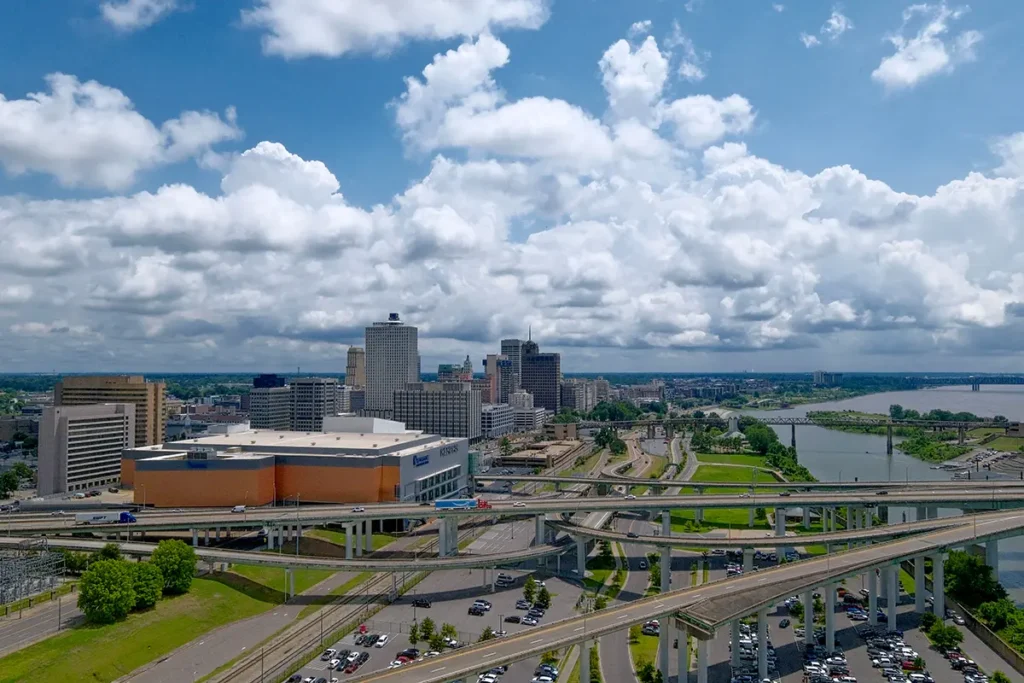
A collection of interviews about how latino immigrants and their descendants arrived and made Memphis, Tennessee their home. The histories are archived in the 901Voices Oral History Collection at Memphis Public Libraries.
Women on Wikipedia: Theory and Praxis
Aruna Balasubramanian, Yale University & Autumn Hall, The University of Tennessee, Knoxville (2023–24)
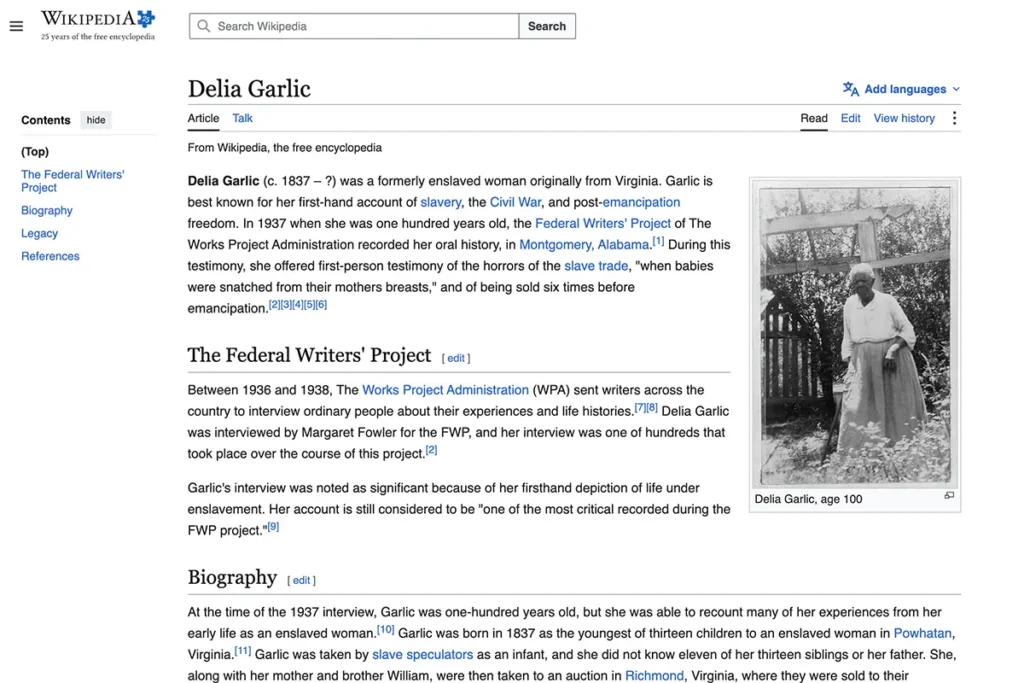
A case study of women’s representation and gender bias in the collaborative publication process on Wikipedia. As part of their effort, Balasubramanian and Hall wrote and published Wikipedia articles highlighting women’s contributions and historical legacies.